March 23, 2026

Why Transmission Fluid Service Is IMPORTANT


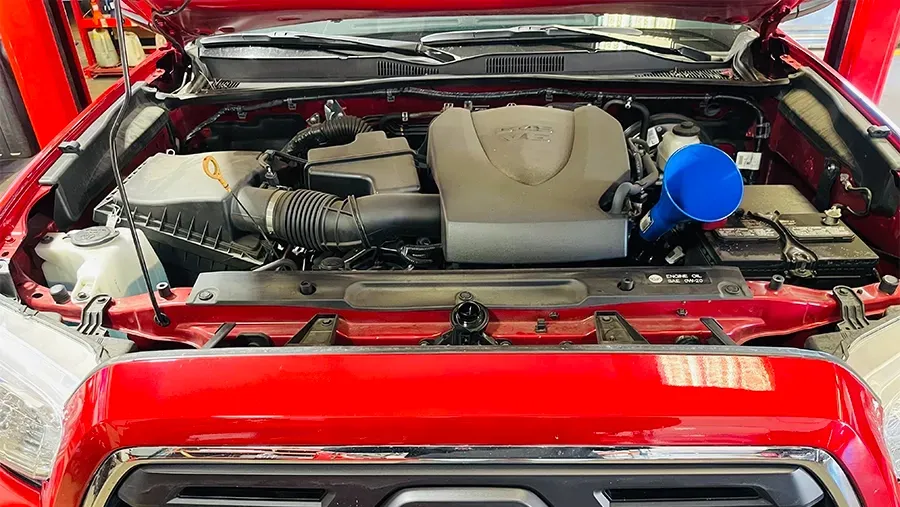
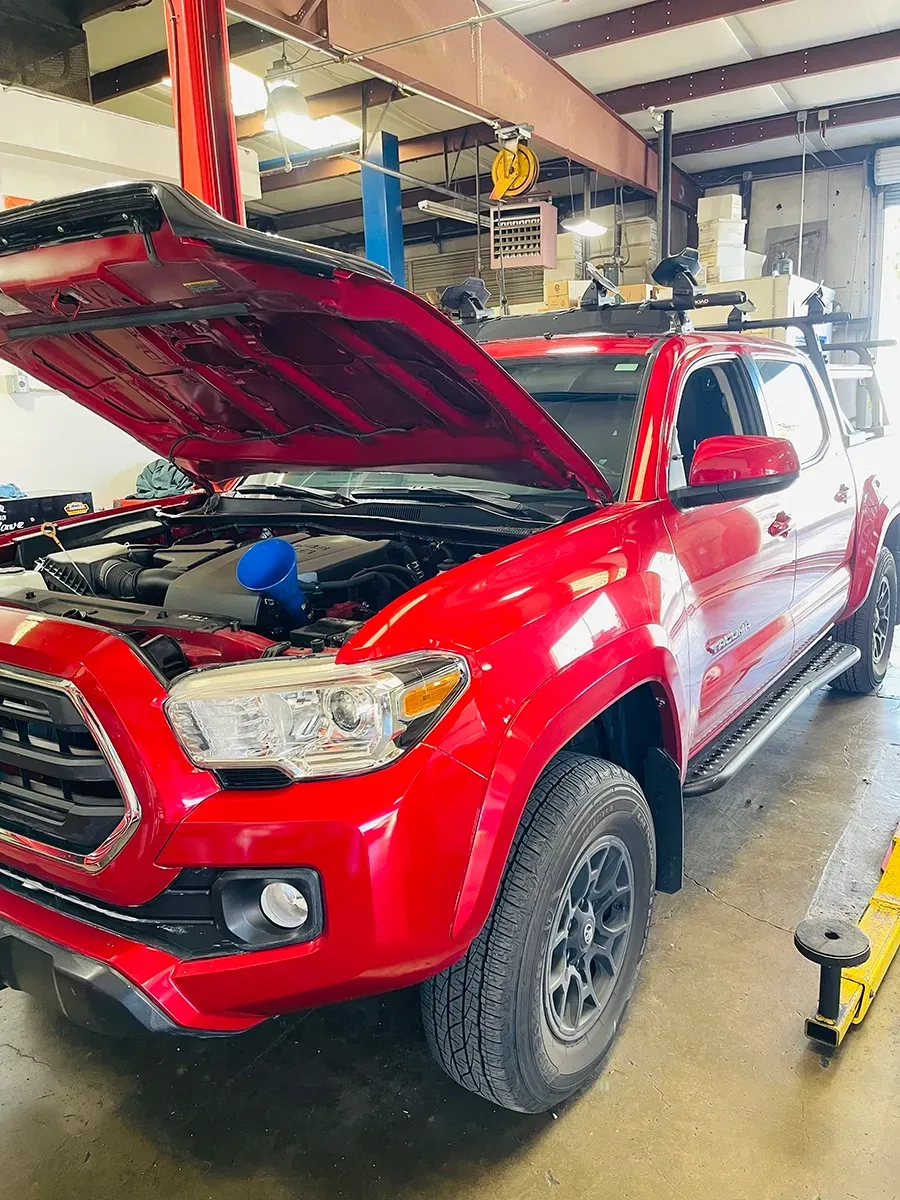
We recently had a 2019 Toyota Tacoma in our shop for a routine oil change and its very first transmission service. While the truck only had 44,000 miles, the owner was smart to get ahead of the manufacturer’s "lifetime fluid" claim. 


When should you change Tacoma transmission fluid?

While some manuals suggest waiting until 60,000 or even 100,000 miles, many Tacoma experts recommend a drain and fill every 30,000 miles—especially if you use your truck for towing, off-roading, or heavy city driving.
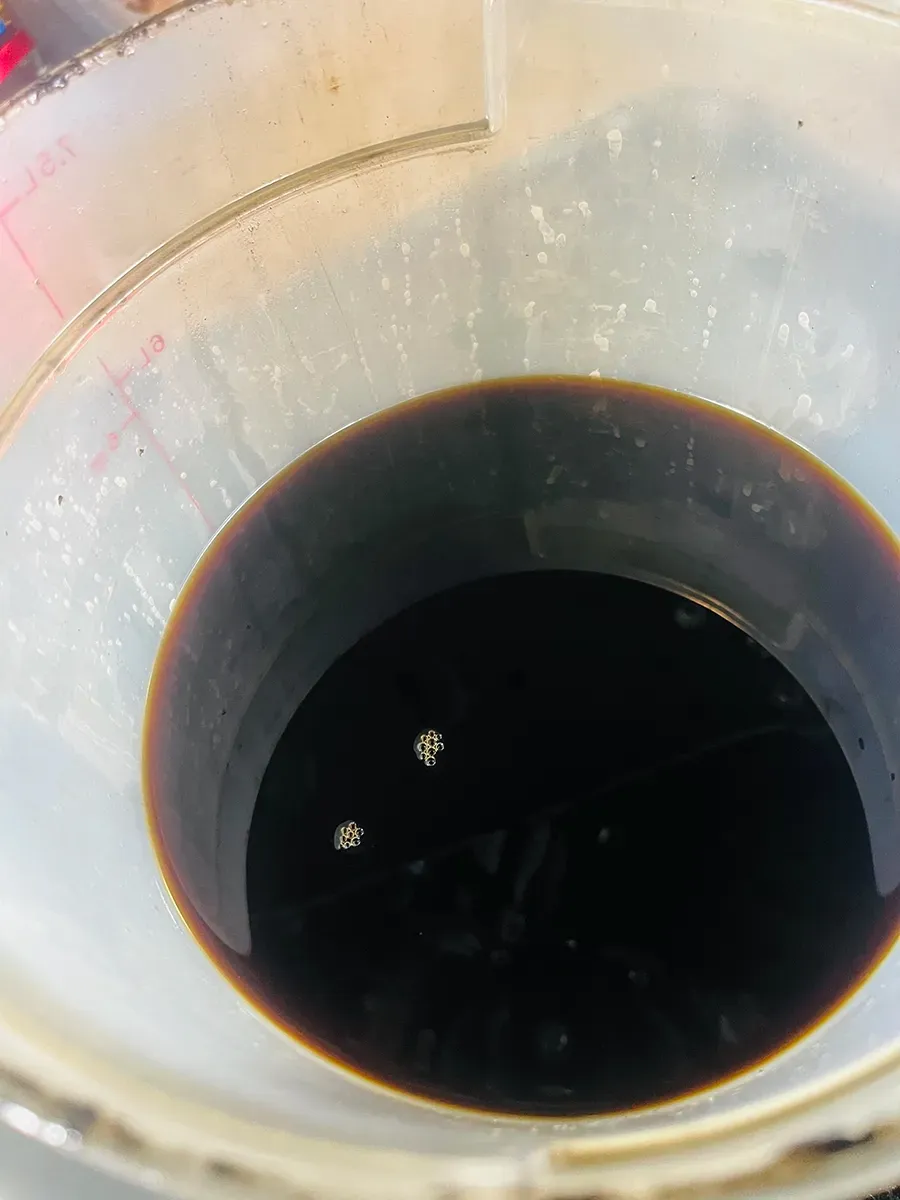
Key Benefits of Fresh Transmission Fluid:

  • Restored Lubrication: New fluid reduces friction between moving parts, preventing premature wear.
  • Temperature Control: Fresh fluid is better at dissipating heat, which is the #1 killer of automatic transmissions.
  • Smoother Shifting: Replacing old, degraded fluid helps eliminate "gear hunting" or hesitation during acceleration. 


Don't wait for a transmission slip to act. If you’re in Rancho Cordova, California, schedule your Toyota transmission service today to keep your powertrain warranty intact and your truck on the road for another 200,000 miles.

March 23, 2026
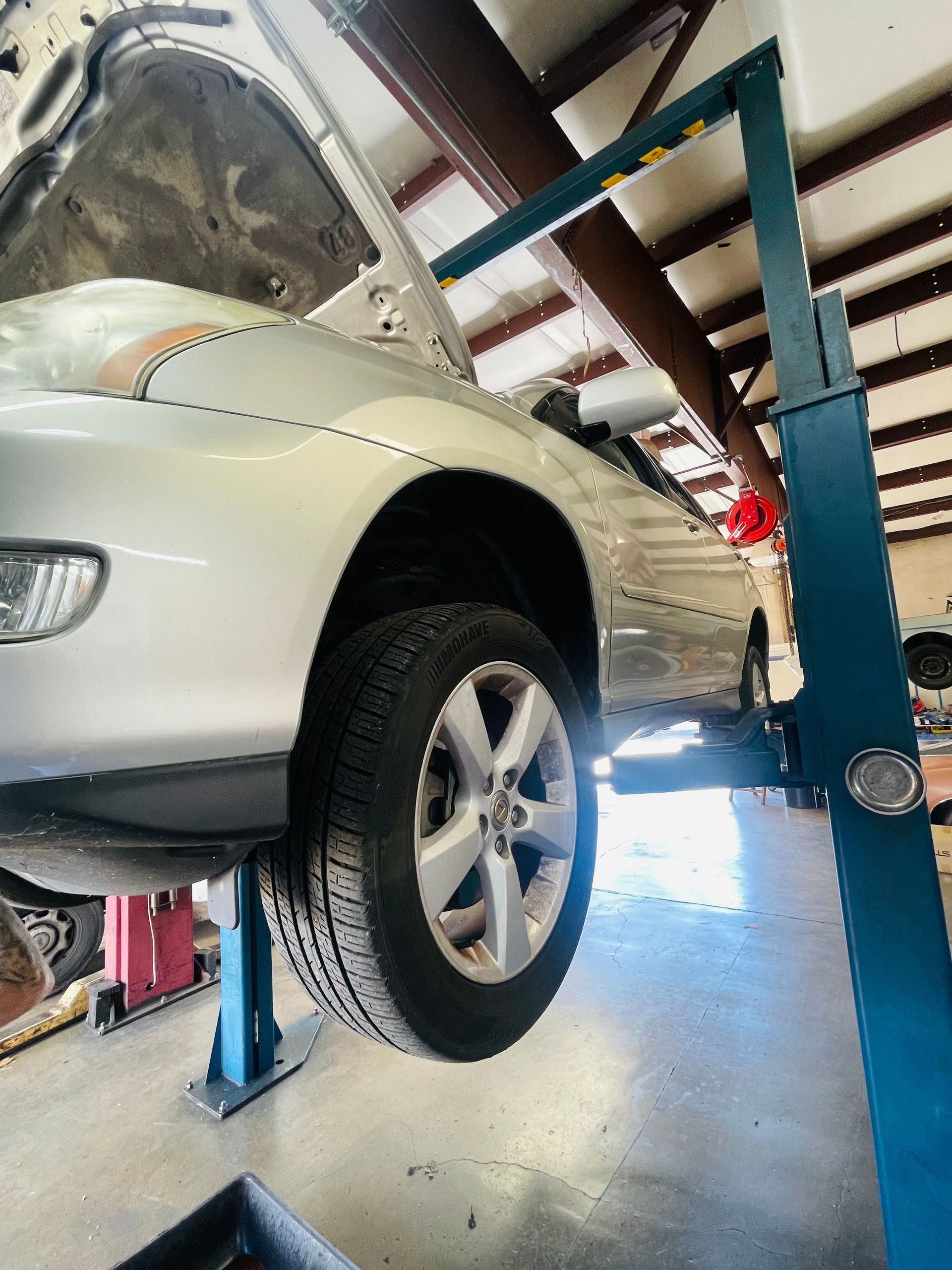
Why A Pre-Purchase Inspection Is Important A client recently brought in a 2019 Lexus RX 350 with 110,000 miles for a Pre-Purchase Inspection (PPI) . At first glance, the luxury SUV looked perfect—the interior was pristine, and the exterior was "flawless." However, our deep-dive mechanical inspection told a different story. The Hidden $3,000+ Problem: Timing Cover Leak While the vehicle appeared dry from above, our technicians discovered an active timing cover gasket leak . The oil was seeping down the engine block, collecting on the oil pan. On this specific Lexus V6 engine, a timing cover repair is incredibly labor-intensive. Because the engine often needs to be removed to properly reseal the cover, repair costs typically range from $2,200 to over $4,000 . Why This Was a "Dealbreaker" The customer was ready to buy, but after seeing our report, they realized the true "out-the-door" price of this Lexus was thousands higher than the sticker price. The Inspection Cost: A few hundred dollars. The Potential Loss: $3,000+ in immediate repairs. The Result: The customer walked away from a bad investment, potentially saving their entire repair budget. Common Lexus RX 350 Inspection Points When we perform a Lexus Pre-Purchase Inspection in Rancho Cordova, CA , we look for these high-mileage "red flags": Timing Cover Seepage: A known issue where factory sealant fails over time. Oil Cooler Lines: Checking if rubber lines have been updated to metal to prevent sudden failure. Suspension Bushings: At 100k+ miles, control arm bushings often show significant cracking. Don't buy someone else's maintenance bill. If you're looking at a used luxury vehicle, let our experts at Asian Imports Garage give you the peace of mind you need before you sign. 
Routine Inspection | Asian Imports Garage
March 19, 2026
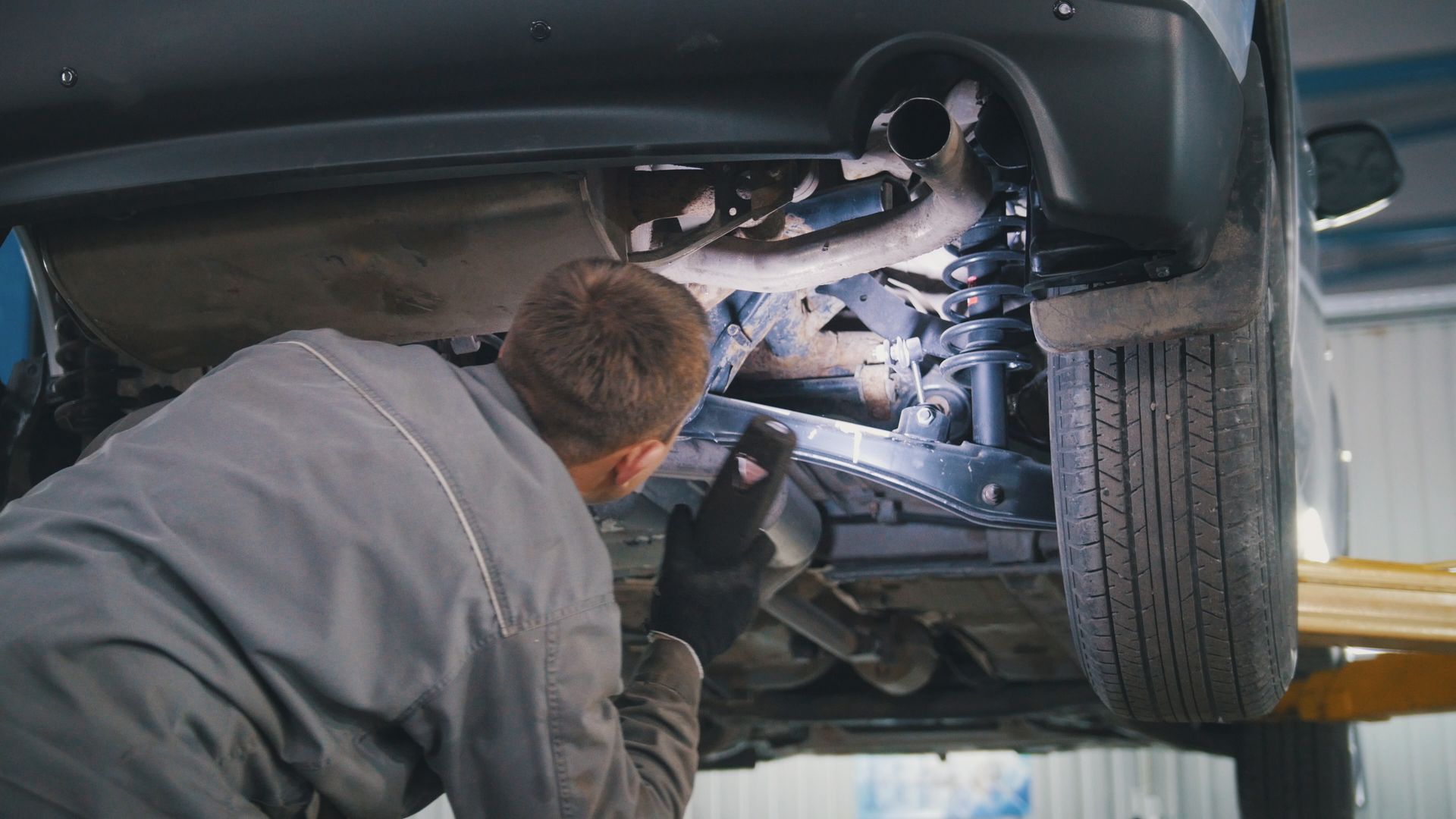
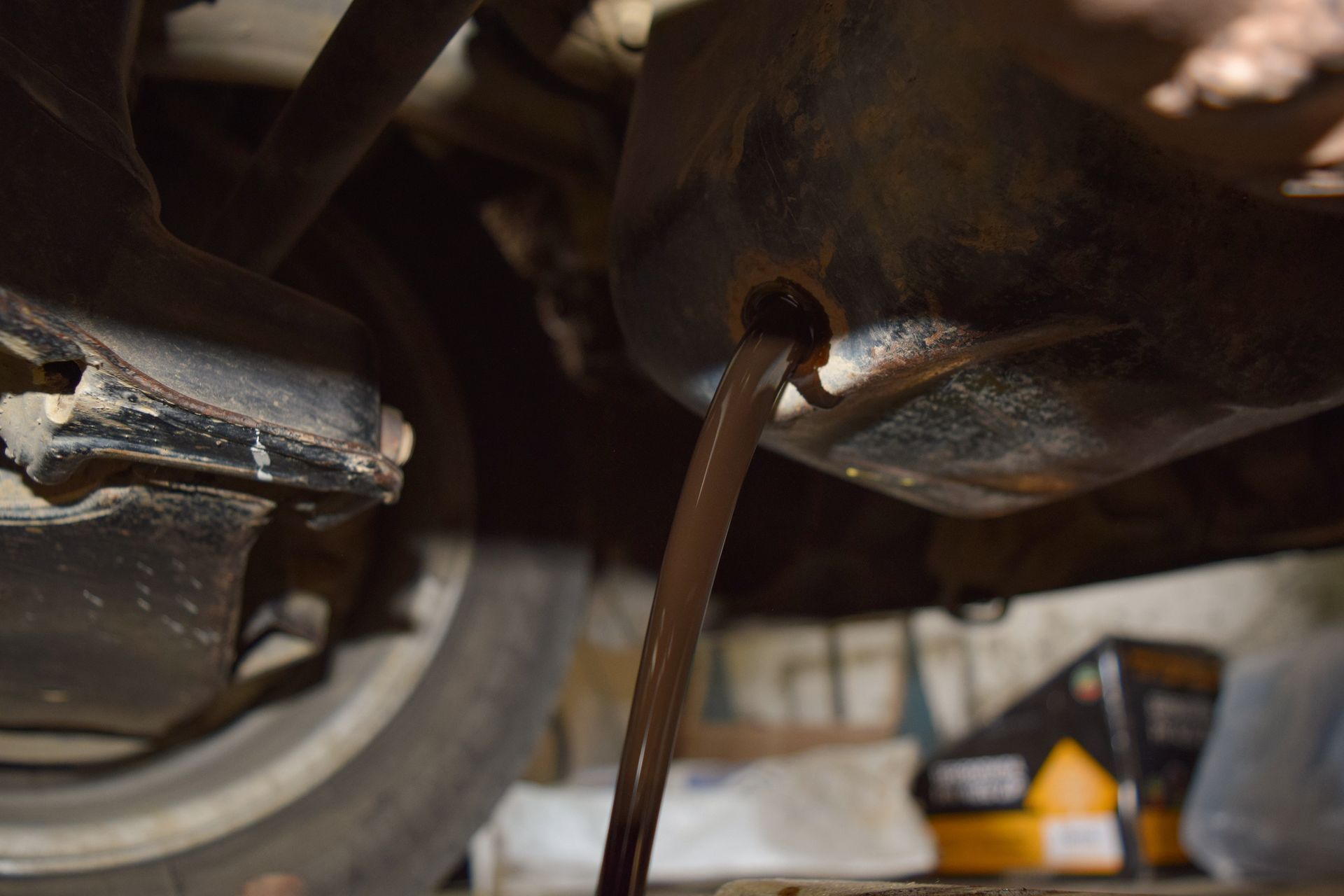
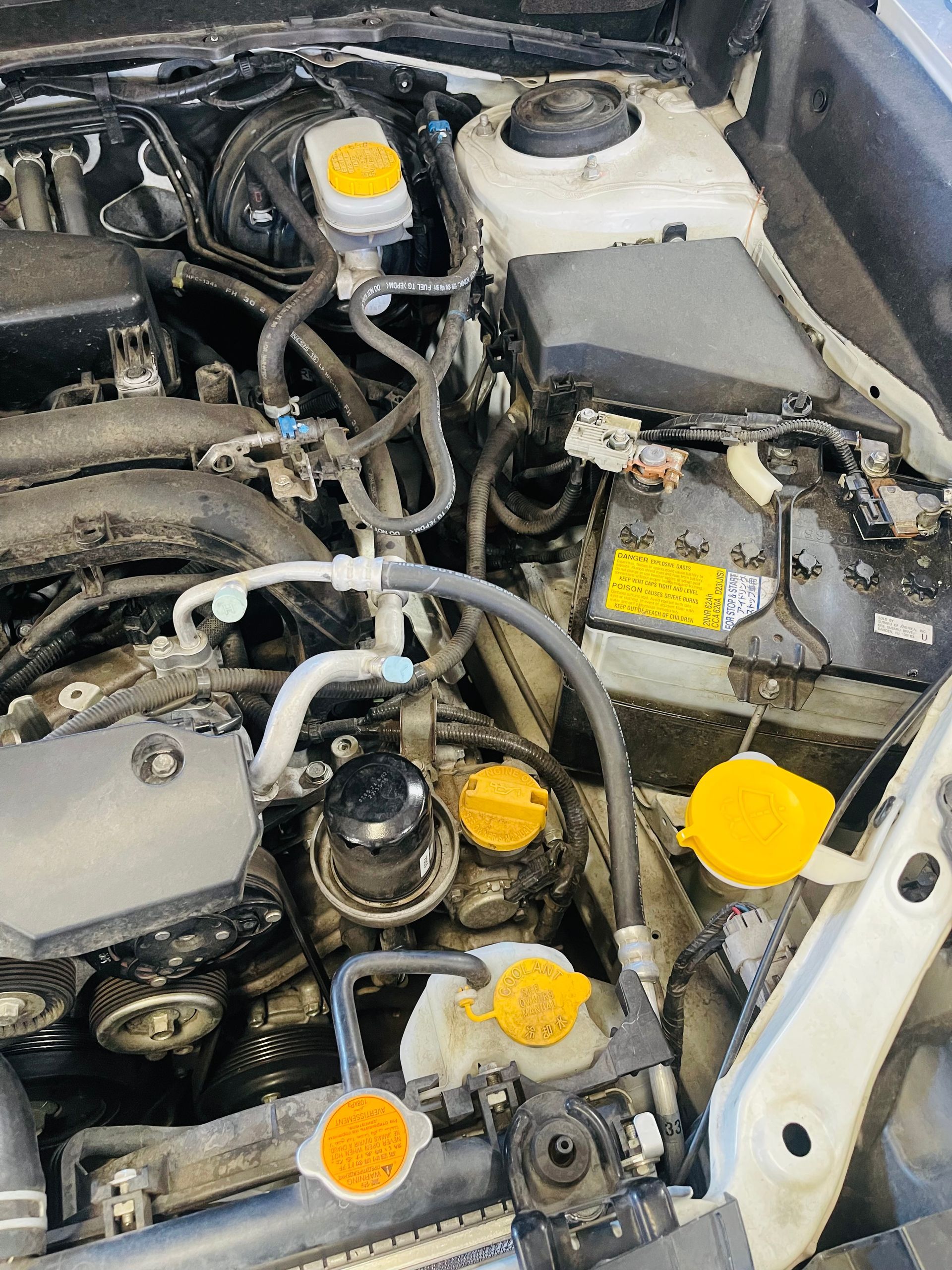
At Asian Imports Garage, we don't just "change the oil"—we inspect the vital fluids that keep your vehicle reliable. Call us or schedule an appointment online!
The Used Car FAQ Guide: What to Ask Before You Buy | Asian Imports Garage
March 15, 2026
Asian Imports Garage in Rancho Cordova, CA, shares the used car questions to ask before you buy to avoid surprises.
February 27, 2026
Asian Imports Garage in Rancho Cordova, CA, explains why an exhaust can sound louder than normal and what usually fails.
Oil Change Myths That Can Cost You a Lot of Money | Asian Imports Garage
January 30, 2026
Asian Imports Garage in Rancho Cordova, CA, breaks down common oil change myths that can quietly cost you money through extra wear.
By amansgarcha22 January 27, 2026
The Real Dangers of Worn Control Arm Bushings When you bring your vehicle in for a routine inspection, a technician might point out that your control arm bushings are cracking or beginning to tear. It is easy to dismiss this as a minor issue—after all, it is just a small piece of rubber. However, those bushings are critical safety components. They serve as the pivot points for your suspension, and when they fail, they compromise the integrity of your entire vehicle. Why Bushing Integrity Matters Control arms connect your wheel assembly to the vehicle frame. The bushings act as the cartilage in these joints, allowing for movement while absorbing road vibration. When the rubber cracks or tears, that cushion disappears, leading to metal-on-metal contact and unpredictable wheel movement. The Hidden Safety Hazards Driving with torn control arm bushings is more than an inconvenience; it is a safety risk that affects how your car handles in an emergency. 1. Compromised Braking Performance When you slam on the brakes, your vehicle weight shifts forward. Bushings are designed to hold the control arms in a fixed position during this force. If the rubber is torn, the front wheels can move backward or oscillate under pressure. This shift can significantly increase your stopping distance and cause the car to pull violently to one side during a hard stop. 2. Unpredictable Steering and Wandering Torn bushings create play in the suspension. This means your wheels are no longer held firmly in alignment. At highway speeds, you may notice the car wandering or drifting within the lane. In an emergency swerve, this lack of precision can lead to oversteering or a loss of control, as the suspension cannot react as quickly as your steering input. 3. Risk of Component Failure Suspension components work in a delicate balance. When a bushing fails, it places immense stress on the ball joints, tie rods, and struts. Excessive vibration from a failed bushing can cause a ball joint to snap. If a ball joint fails while you are driving, the wheel can collapse outward, leading to a catastrophic accident. 4. Hydroplaning Risk Because torn bushings cause your tires to sit at incorrect angles, they lead to uneven and rapid tire wear. This often results in bald patches on the inner or outer edges of the tire. These bald spots reduce your tires ability to channel water, making you much more likely to hydroplane on wet roads. Why We Recommend Replacing the Entire Control Arm While it is technically possible to press out old bushings and install new ones, it is often best to replace the complete control arm assembly . There are three main reasons for this: Integrated Ball Joints: Most control arms come with a new ball joint already installed. If your bushings are worn, the ball joint is likely nearing the end of its life too. Replacing the whole unit ensures every pivot point is brand new. Structural Integrity: Attempting to press new bushings into an old, weathered arm can sometimes stress or distort the metal. A new assembly guarantees a perfect factory fit. Labor Savings: Pressing bushings is a labor-intensive process that can cost more in shop time than simply swapping in a new arm. Replacing the entire unit is often the most cost-effective way to get your car back on the road safely. Don’t Ignore the Warning Signs Your car will usually tell you when the bushings are failing. Common symptoms include: Clunking or popping sounds when driving over bumps or turning the steering wheel. Steering wheel vibration , especially at higher speeds. A loose feeling in the steering wheel. Schedule Your Suspension Safety Check Replacing your control arms when the bushings first show signs of tearing is a proactive step that saves you from expensive tire replacements and keeps you in control of your vehicle.
How Often Are You Supposed to Replace the Timing Belt | Asian Imports Garage
December 19, 2025
Asian Imports Garage in Rancho Cordova, CA, explains how often a timing belt should be replaced and what can happen if you wait too long.
By amansgarcha22 July 30, 2025
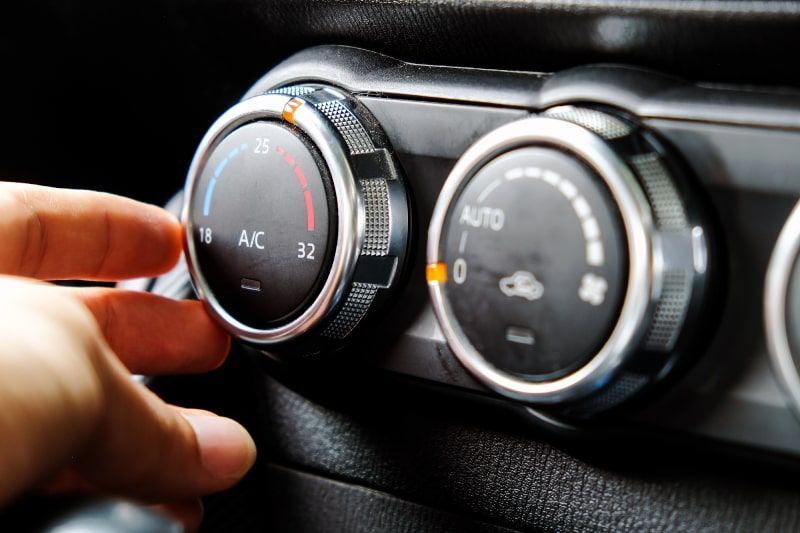
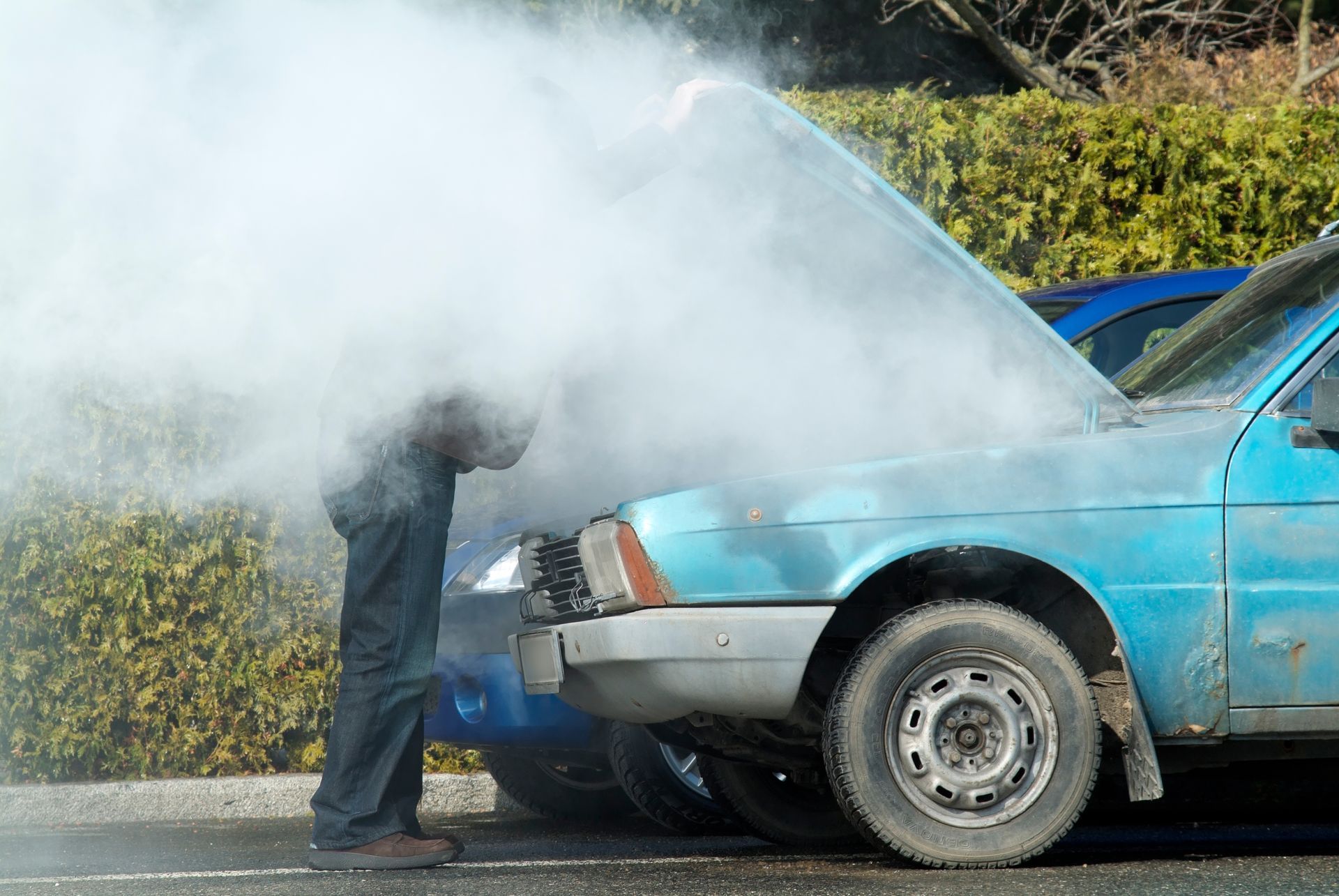
Keep Your Cool This Summer
By amansgarcha22 January 16, 2025
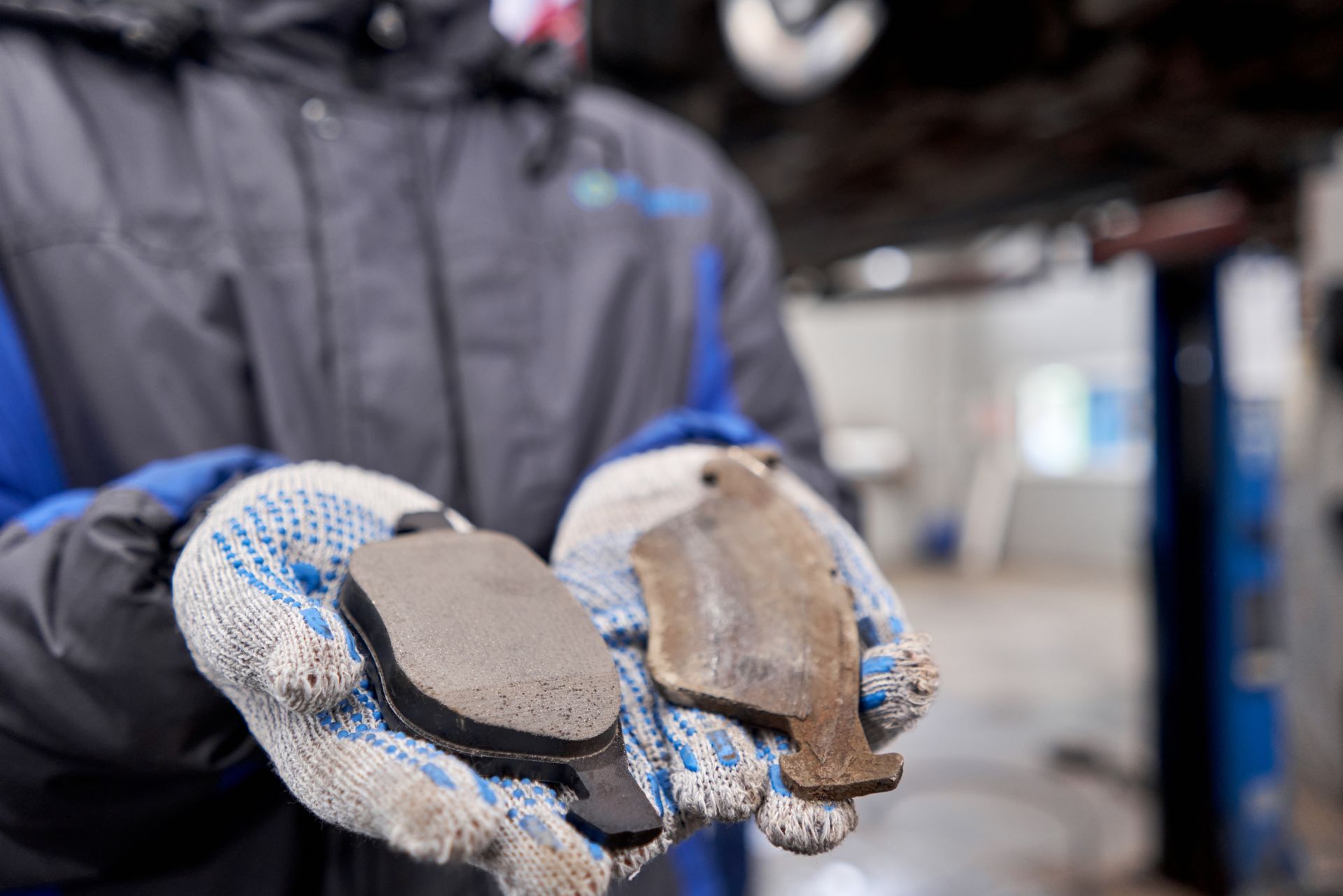
Stay Safe This Winter: Why Good Tires, Brakes, and Suspension Are a Must