amansgarcha22 • April 15, 2026
Engine Grinding or Whining? Why Your Water Pump Might Be Failing
At Asian Imports Garage, we’re in the business of keeping your car on the road, not just talking about the science behind it. We see firsthand how a small part like a water pump can make or break your engine’s health.

Whether you drive an Asian import like a Toyota, Lexus, Acura, Honda, Hyundai, Kia, Subaru, Nissan, Infiniti, or Mitsubishi, or a domestic powerhouse like a Chevy, GM, Ford, Lincoln, Dodge, Jeep, or Chrysler, your cooling system is what stands between a smooth drive and a tow truck.


What Does a Water Pump Actually Do?

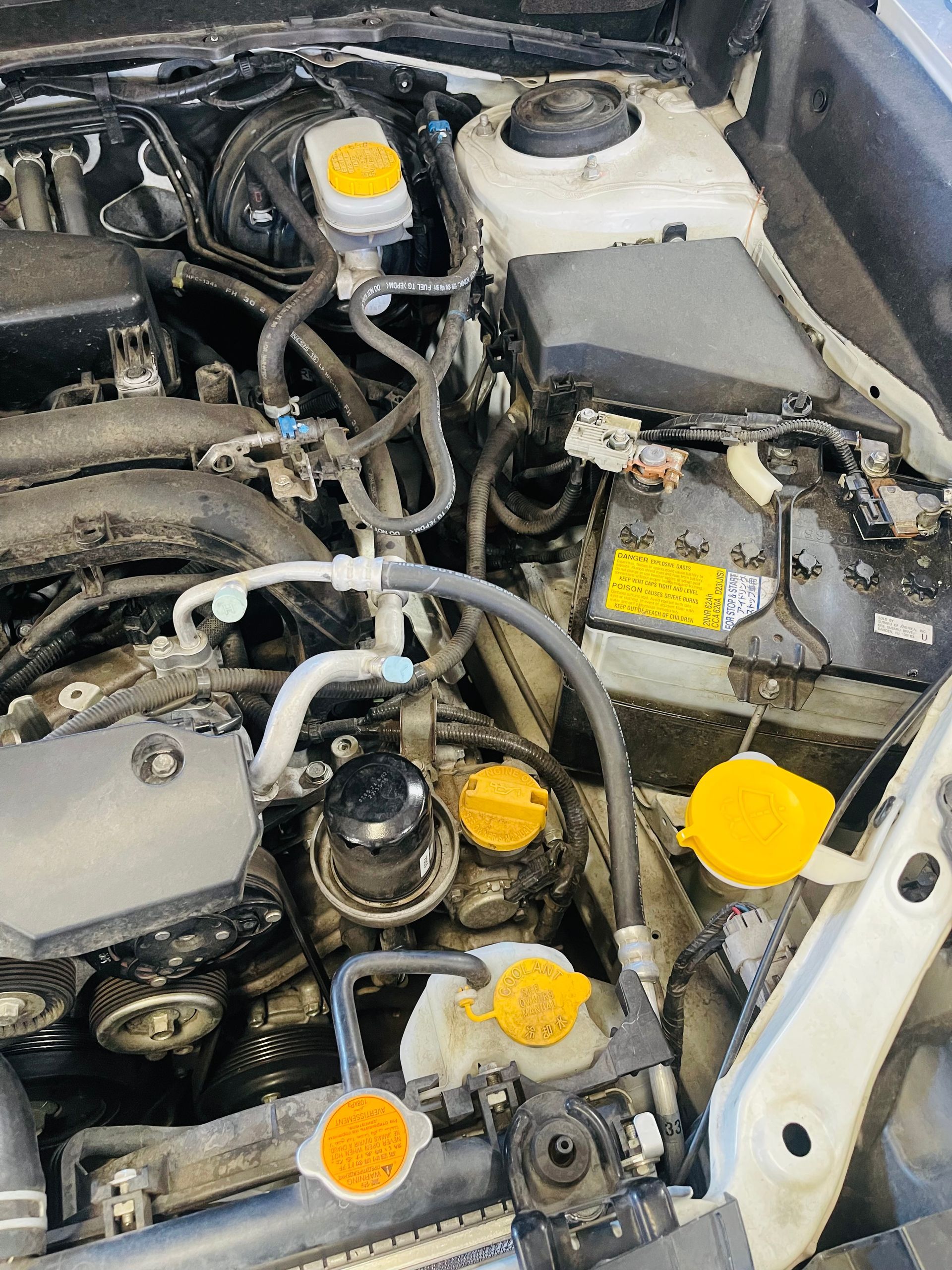
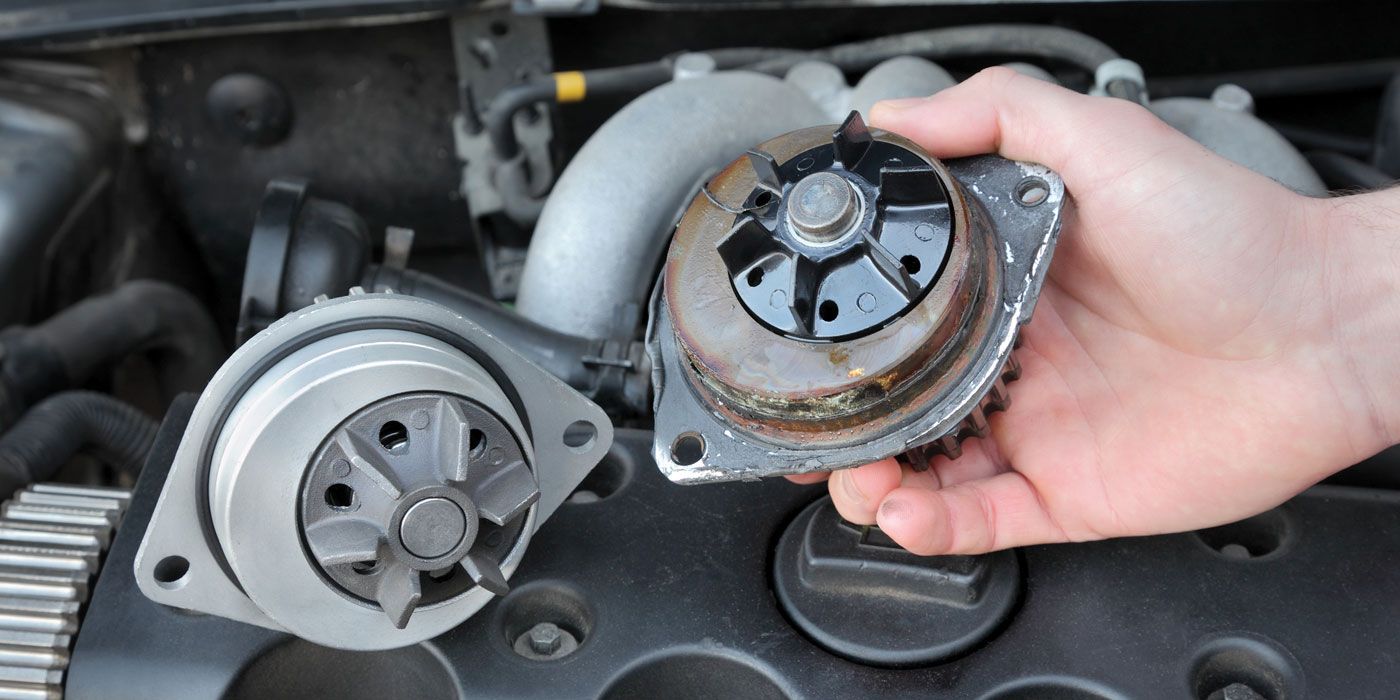
Think of your engine like an athlete. When it works hard, it gets hot. The water pump’s job is simple but vital: it circulates coolant from the radiator through the engine block.

By constantly moving this fluid, the pump ensures that the heat generated by your engine is carried away before it can cause expensive damage like warped metal or blown gaskets.


Why Do Water Pumps Go Bad?

Even in the most reliable vehicles, water pumps eventually wear out. Here are the most common signs our technicians see in the shop:

  • Worn Bearings: This is the most common mechanical failure. Internal bearings allow the pump to spin. When they wear down, they start making a distinct grinding or growling noise.
  • Coolant Leaks: If you see a green, orange, or pink puddle under your car, your pump's internal seals might be finished.
  • Old Coolant: If you skip your coolant flushes, the fluid becomes acidic and eats away at the pump's internal parts.
  • Belt Issues: If your serpentine belt is too tight, it pulls on the pump shaft and kills the bearings early.


Case Study: 2007 Lexus RX350 Repair

We recently had a 2007 Lexus RX350 in the shop. The owner was worried about a loud, metallic "whirring" noise that got higher and louder as they sped up.

Our team diagnosed it quickly: the water pump bearing was failing. It hadn't started leaking yet, but the bearing was so loose it was vibrating. If it had seized entirely, it could have snapped the drive belt, leaving the driver stranded with an overheated engine.

We swapped it out for a high-quality replacement, performed a fresh coolant exchange, and had the Lexus back to its signature quiet ride in no time.


Hear a Strange Noise Under the Hood?

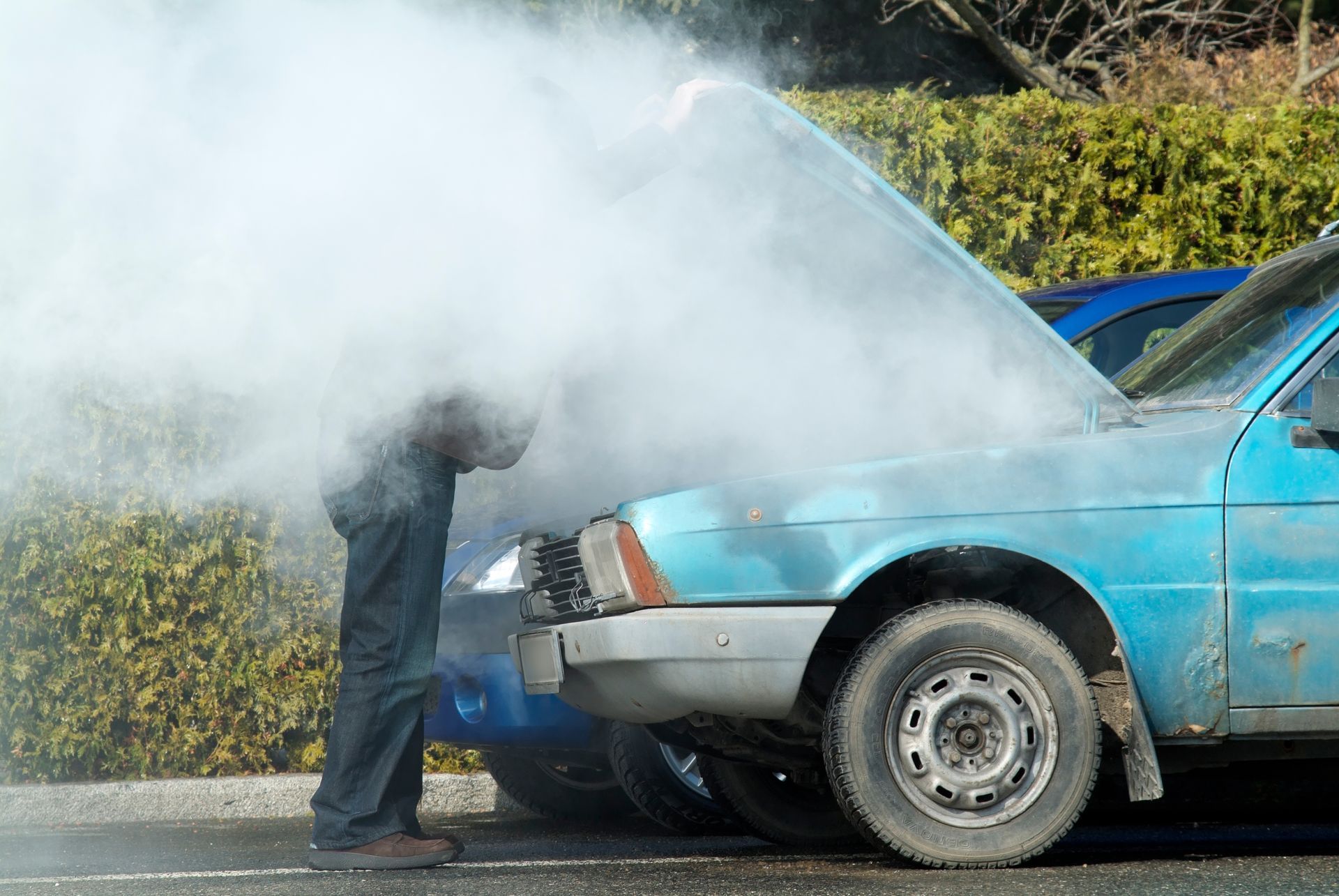
Don't wait for the "Temperature" light to turn red. If your car is making a new noise or you smell something sweet (a sign of a coolant leak), bring it to Asian Imports Garage. From Hondas to Fords, we have the experience to get you back on the road safely.

Give us a call or book your inspection online today!

Cooling System FAQ: 10 Questions Drivers Should Ask Before It Gets Worse | Asian Imports Garage
April 15, 2026
Asian Imports Garage in Rancho Cordova, CA, answers key cooling system questions before problems get worse.
Why Did My Car’s AC Compressor Fail? 5 Common Reasons - Asian Imports Garage
April 15, 2026
A professional diagnostic at Asian Imports Garage can identify leaks or clogs before they destroy your entire system.
Don’t Lose Your Cool: Why Your AC Condenser is the Key to a Chilly Cabin - Asian Imports Garage
April 7, 2026
If your AC isn't performing like it used to, bring it to the pros. Contact Asian Imports Garage Today to schedule your AC inspection!
Why A Pre-Purchase Inspection Is Important - Asian Imports Garage
March 23, 2026
Bring it to Asian Imports Garage for a professional Pre-Purchase Inspection before you sign the paperwork.
Why Transmission Fluid Service Is IMPORTANT - Asian Imports Garage
March 23, 2026
Transmission Fluid Service Is VERY IMPORTANT for you and your wallet. Here's why!
Routine Inspection | Asian Imports Garage
March 19, 2026
At Asian Imports Garage, we don't just "change the oil"—we inspect the vital fluids that keep your vehicle reliable. Call us or schedule an appointment online!
The Used Car FAQ Guide: What to Ask Before You Buy | Asian Imports Garage
March 15, 2026
Asian Imports Garage in Rancho Cordova, CA, shares the used car questions to ask before you buy to avoid surprises.
February 27, 2026
Asian Imports Garage in Rancho Cordova, CA, explains why an exhaust can sound louder than normal and what usually fails.
Oil Change Myths That Can Cost You a Lot of Money | Asian Imports Garage
January 30, 2026
Asian Imports Garage in Rancho Cordova, CA, breaks down common oil change myths that can quietly cost you money through extra wear.
By amansgarcha22 January 27, 2026
The Real Dangers of Worn Control Arm Bushings When you bring your vehicle in for a routine inspection, a technician might point out that your control arm bushings are cracking or beginning to tear. It is easy to dismiss this as a minor issue—after all, it is just a small piece of rubber. However, those bushings are critical safety components. They serve as the pivot points for your suspension, and when they fail, they compromise the integrity of your entire vehicle. Why Bushing Integrity Matters Control arms connect your wheel assembly to the vehicle frame. The bushings act as the cartilage in these joints, allowing for movement while absorbing road vibration. When the rubber cracks or tears, that cushion disappears, leading to metal-on-metal contact and unpredictable wheel movement. The Hidden Safety Hazards Driving with torn control arm bushings is more than an inconvenience; it is a safety risk that affects how your car handles in an emergency. 1. Compromised Braking Performance When you slam on the brakes, your vehicle weight shifts forward. Bushings are designed to hold the control arms in a fixed position during this force. If the rubber is torn, the front wheels can move backward or oscillate under pressure. This shift can significantly increase your stopping distance and cause the car to pull violently to one side during a hard stop. 2. Unpredictable Steering and Wandering Torn bushings create play in the suspension. This means your wheels are no longer held firmly in alignment. At highway speeds, you may notice the car wandering or drifting within the lane. In an emergency swerve, this lack of precision can lead to oversteering or a loss of control, as the suspension cannot react as quickly as your steering input. 3. Risk of Component Failure Suspension components work in a delicate balance. When a bushing fails, it places immense stress on the ball joints, tie rods, and struts. Excessive vibration from a failed bushing can cause a ball joint to snap. If a ball joint fails while you are driving, the wheel can collapse outward, leading to a catastrophic accident. 4. Hydroplaning Risk Because torn bushings cause your tires to sit at incorrect angles, they lead to uneven and rapid tire wear. This often results in bald patches on the inner or outer edges of the tire. These bald spots reduce your tires ability to channel water, making you much more likely to hydroplane on wet roads. Why We Recommend Replacing the Entire Control Arm While it is technically possible to press out old bushings and install new ones, it is often best to replace the complete control arm assembly . There are three main reasons for this: Integrated Ball Joints: Most control arms come with a new ball joint already installed. If your bushings are worn, the ball joint is likely nearing the end of its life too. Replacing the whole unit ensures every pivot point is brand new. Structural Integrity: Attempting to press new bushings into an old, weathered arm can sometimes stress or distort the metal. A new assembly guarantees a perfect factory fit. Labor Savings: Pressing bushings is a labor-intensive process that can cost more in shop time than simply swapping in a new arm. Replacing the entire unit is often the most cost-effective way to get your car back on the road safely. Don’t Ignore the Warning Signs Your car will usually tell you when the bushings are failing. Common symptoms include: Clunking or popping sounds when driving over bumps or turning the steering wheel. Steering wheel vibration , especially at higher speeds. A loose feeling in the steering wheel. Schedule Your Suspension Safety Check Replacing your control arms when the bushings first show signs of tearing is a proactive step that saves you from expensive tire replacements and keeps you in control of your vehicle.