Car A/C problems can be confusing because the symptoms all feel similar from the driver’s seat. The vents are not cold enough, the cabin takes too long to cool, or the system works one day and struggles the next.
Most drivers just want cold air back.
The tricky part is knowing whether the vehicle needs A/C maintenance, a recharge, or actual A/C repair. Those are not the same thing. One is preventive care, one restores the refrigerant charge, and one fixes a failed or leaking part.
A/C Maintenance Helps Keep The System Working
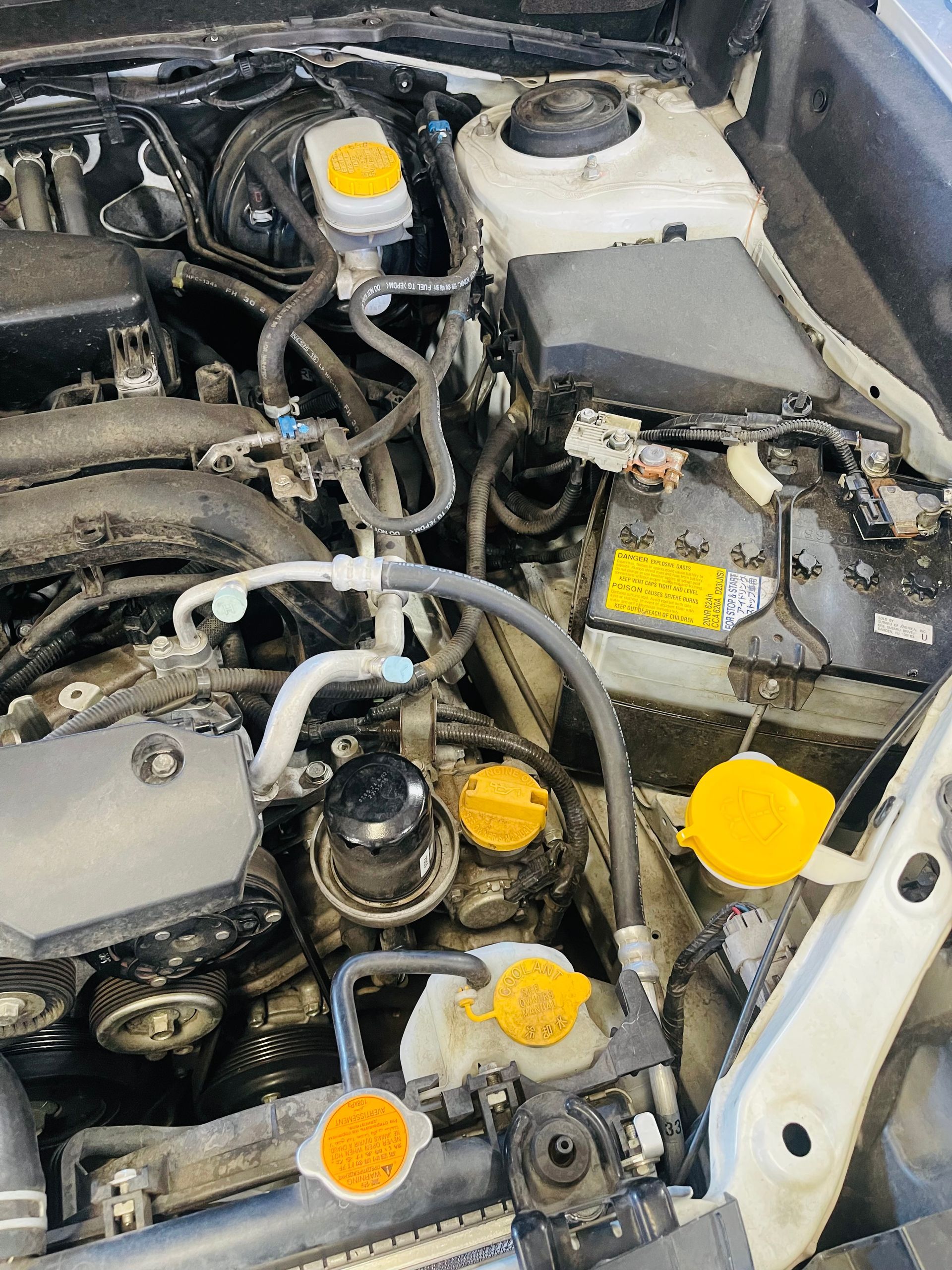
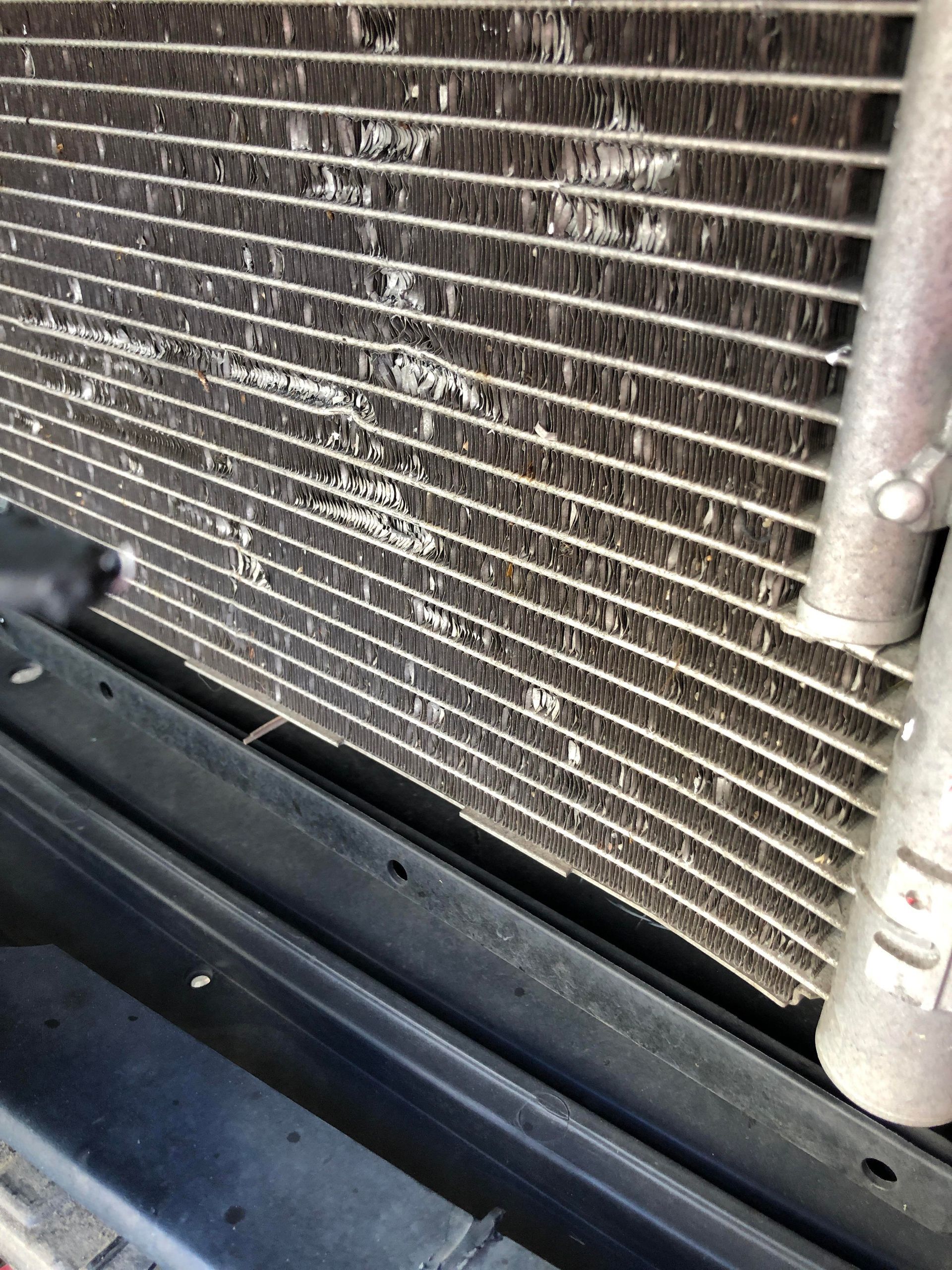
A/C maintenance is the routine care that helps the system perform better and gives small problems a chance to be found early. It may include checking the vent temperature, inspecting visible hoses and fittings, inspecting the condenser, checking cabin airflow, and ensuring the cooling fans are working.
The cabin air filter is part of the comfort side of the system. If it is clogged with dust, pollen, leaves, or other debris, airflow from the vents can feel weak even when the A/C is producing cold air.
Regular maintenance does not replace broken parts, but it can catch early clues. Weak airflow, noisy operation, light refrigerant oil residue, or cooling that changes at idle can all show up before the system quits.
A Recharge Restores Refrigerant Level
An A/C recharge means refrigerant is removed, measured, and replaced to the correct amount. The system needs a specific refrigerant charge to cool properly. Too little refrigerant can reduce cooling. Too much can raise pressure and make the system work poorly.
A recharge may help if the system is low, but it does not explain why it became low. Refrigerant is not supposed to get used up like fuel. If the charge is low, the refrigerant may have leaked out or not been filled correctly during a previous service.
That is why a recharge should not be treated as a magic fix. If the A/C gets warm again after a few days or weeks, the vehicle likely has a leak or another problem that needs repair.
A/C Repair Fixes The Cause
A/C repair means a failed, leaking, or restricted component, or an electrical part, is being fixed or replaced. That could include a leaking hose, a bad O-ring, a damaged condenser, a faulty compressor, a failed fan, a bad pressure sensor, a stuck blend door, or an electrical issue.
Repair is necessary when the system cannot function correctly because a part is no longer performing its intended function. A recharge can restore refrigerant, but it cannot seal a leaking condenser or fix a compressor that is not building pressure.
A proper inspection helps separate a simple service need from a repair need. Pressure readings, leak checks, compressor operation, electrical testing, vent temperature, and airflow all help point to the real cause.
Why Low Refrigerant Usually Means A Leak
Low refrigerant is one of the most common reasons an A/C system blows warm. The leak may be tiny, and it may not leave a puddle. Refrigerant often escapes as a gas, though it can leave an oily residue because it carries oil through the system.
Common leak areas include service ports, hose connections, O-rings, condenser seams, compressor seals, and the evaporator inside the dashboard. Some leaks are easy to see. Others need dye, an electronic leak detector, or pressure testing.
Adding refrigerant without finding the leak can leave the driver in the same situation again. Worse, running the system low for too long can reduce oil movement and strain the compressor.
Weak Airflow Is Not Always A Refrigerant Problem
A/C performance is not only about refrigerant. If the vents barely move air, the issue may be airflow instead of cooling. A clogged cabin filter, weak blower motor, failing resistor, blocked evaporator, or blend door problem can make the cabin stay warm.
A driver may turn the fan higher and assume the refrigerant is low. In reality, the cold air may not be reaching the cabin the way it should.
That is why airflow should be checked before calling the problem a recharge. Strong airflow with warm air and weak airflow with cold air can point in different directions.
Compressor Problems Need Careful Testing
The compressor moves refrigerant through the system. If it is weak, noisy, not engaging, or internally damaged, the A/C will not cool properly. Compressor problems can also be caused by low refrigerant, electrical faults, pressure issues, or a failed clutch on some vehicles.
A rough sound when the A/C turns on, cooling that fades after a few minutes, or pressure readings that do not respond correctly can all point toward compressor trouble.
The compressor should not be blamed too quickly. It is one of the more expensive A/C parts, so the system should be tested carefully before replacement is recommended.
Get Car A/C Service In Rancho Cordova, CA, With Asian Imports Garage
If your A/C is blowing warm air, cooling slowly, losing refrigerant, or making noise, Asian Imports Garage in Rancho Cordova, CA, can check the system and determine whether it needs maintenance, a recharge, or repair.