Cooling system issues usually do not begin with steam pouring from under the hood. More often, the first signs are quieter than that. The coolant level drops a little, the temperature runs a bit higher in traffic, or the heater stops feeling as warm as it should. Since the car still drives, many people keep putting it off.
That is where the risk grows. A minor cooling system issue can escalate into overheating and engine damage if it goes unchecked. Asking the right questions helps you catch the problem before it gets much more expensive.
1. Why Is My Car Losing Coolant If I Do Not See A Leak?
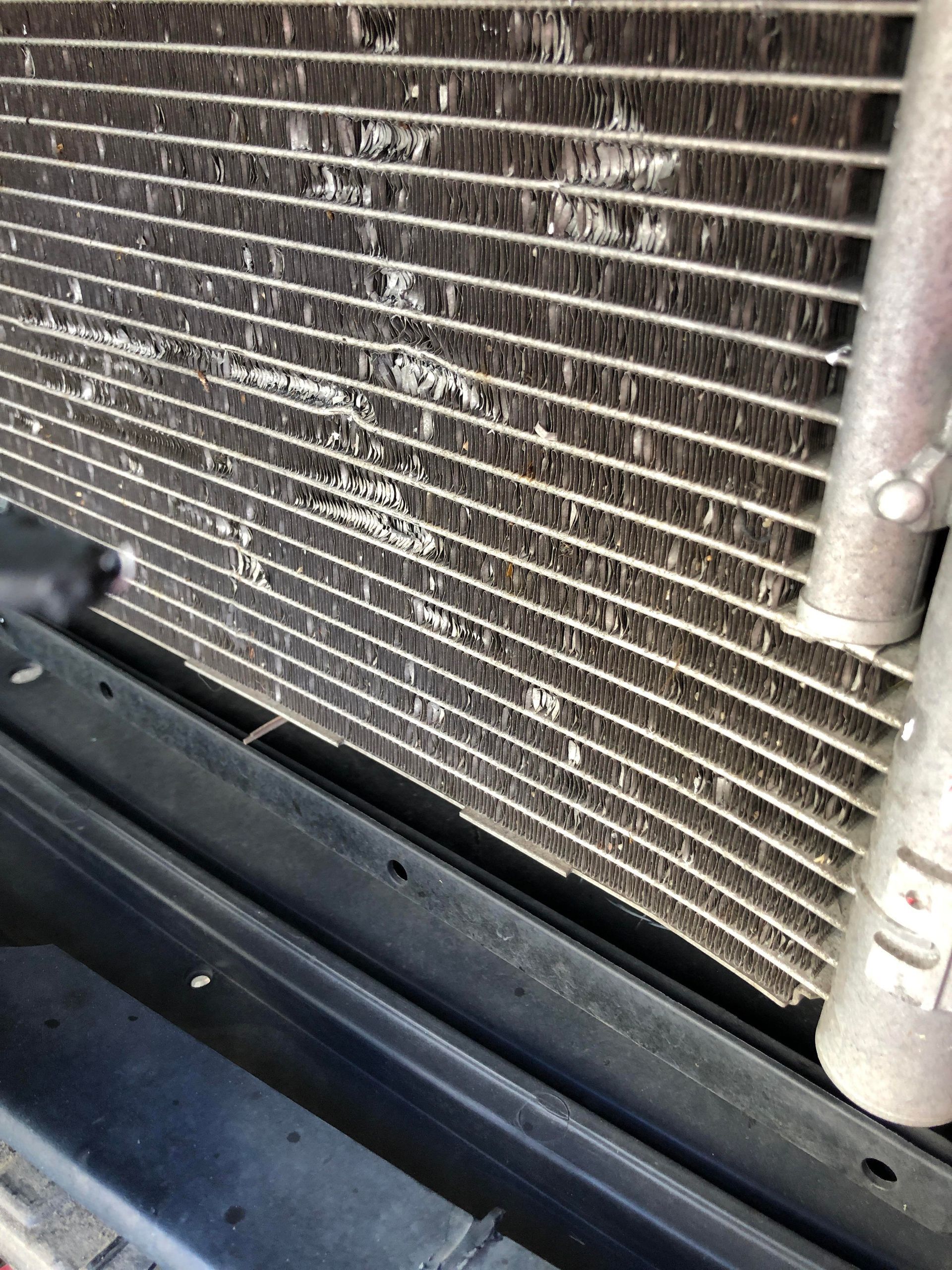
Coolant can leak externally in small amounts, often without leaving a large puddle. It may drip onto hot engine parts, dry before reaching the ground, or seep only while the system is under pressure. Hoses, radiators, water pumps, and thermostat housings are all common places for that to start.
Coolant can also leak internally in some cases. That is why repeated coolant loss should never be brushed off just because the driveway looks clean. If the level keeps dropping, the system is telling you something is wrong.
2. What Causes A Car To Overheat?
A car overheats when the cooling system can no longer control engine temperature. Low coolant, a stuck thermostat, radiator trouble, a failing water pump, cooling fan problems, or pressure loss in the system can all cause heat to build too quickly.
Overheating is not something to test your luck with. Even a single event can cause real damage if the engine gets hot enough. The earlier the cause is found, the better your chances of keeping the repair limited to the cooling system.
3. Why Does My Temperature Gauge Go Up In Traffic But Drop While Driving?
That pattern often points toward an airflow or circulation problem. In stop-and-go traffic, the car relies more on cooling fans and a steady coolant flow. When the fans are not working correctly, or the system is not circulating as it should, the temperature climbs faster at low speed.
Once the vehicle is moving, airflow through the radiator improves, and the temperature may drop again. That does not mean the issue is harmless. It means one part of the cooling system is struggling under the conditions where it matters most.
4. Can A Bad Thermostat Cause Overheating?
Yes, a bad thermostat is one of the more common reasons overheating starts. The thermostat controls when coolant flows through the radiator. If it sticks closed or does not open properly, hot coolant stays trapped in the engine longer than it should.
That can make the temperature rise quickly, especially after the engine has warmed up. A thermostat problem may seem minor on paper, but it can lead to serious overheating if left unchecked for too long.
5. What Are The Signs Of A Bad Water Pump?
A failing water pump can cause coolant loss, overheating, noise from the front of the engine, or weak heater performance. Some pumps begin leaking first. Others start making a whining or grinding sound as the bearings wear down.
The water pump plays a big role in coolant circulation, so once it starts failing, the whole cooling system is affected. A timely inspection can catch the problem before it leaves the engine, leaving it without enough coolant flow to stay protected.
6. Why Does My Car Smell Sweet After Driving?
A sweet smell often points to coolant. That smell can appear when coolant leaks onto hot parts, escapes from the radiator or reservoir, or begins seeping from a hose or fitting under pressure.
Many drivers notice the smell before they ever see a leak. That is useful information. If the car smells sweet after a drive, especially with any change in coolant level or temperature, the cooling system deserves attention soon.
7. Can Low Coolant Cause Bigger Engine Problems?
Yes, low coolant can lead to much more than a hot gauge. Coolant helps control heat inside the engine, and when the level drops too far, the engine loses that protection. The result can be overheating, warped components, head gasket trouble, and internal engine damage.
That is why topping it off over and over is not a real fix. Adding coolant may buy a little time, but the real goal is finding out where it is going and why the system is no longer holding its level.
8. Why Is My Heater Blowing Cold Air When The Engine Is Warm?
A heater that blows cold air can point to low coolant, trapped air in the cooling system, or poor circulation through the heater core. Since the heater depends on hot coolant circulating through the system, heating problems sometimes occur alongside cooling system issues.
That makes the heater one more clue, not a separate mystery. If the engine is warm but the cabin heat is weak, the cooling system should be checked before the problem gets worse.
9. When Should I Worry About Coolant Under My Car?
You should take it seriously any time coolant appears under the vehicle more than once. Coolant leaks may start small, but small cooling leaks rarely stay small for long. Heat and pressure tend to make them worse over time.
The color can vary by vehicle, but the bigger concern is the pattern. If you are seeing drips, smelling coolant, or refilling the reservoir regularly, it is time for an inspection rather than another top-off.
10. When Should I Bring My Car In For Cooling System Service?
You should bring it in when the coolant level keeps dropping, the temperature runs higher than normal, the heater changes, or you notice coolant smell, leaks, or overheating. Waiting for steam or a complete breakdown is what turns a manageable repair into a much larger one.
Regular maintenance helps here as well. Coolant condition, hose age, and system pressure all deserve attention before the system fails under stress. Early service gives you a much better chance of avoiding engine damage.
Get Cooling System Service In Rancho Cordova, CA, With Asian Imports Garage
If your vehicle is losing coolant, running hotter than it should, or showing signs of cooling system trouble, Asian Imports Garage in Rancho Cordova, CA, can perform an inspection and help you find the cause before the problem spreads into a much more expensive repair.
Bring it in early so a minor cooling system issue doesn't turn into overheating and engine damage.