A used car can look perfect in the photos and still have expensive problems hidden beneath the surface. That’s not a knock on used cars, it’s just the reality of wear, shortcuts, and half-fixes that don’t show up until the car is warm, under load, or sitting overnight. The smartest buyers ask a few specific questions before they fall in love with the paint and the price.
Use this guide to keep the decision practical.
1) What Paperwork Should I Ask For First?
Start with the title status, a maintenance history, and any receipts for recent repairs. If the seller says the records are lost, ask for at least the last oil service and any major work like cooling system, brakes, or transmission-related repairs. A clean folder of documentation usually tells you as much about the owner as the car does.
2) How Do I Judge If The Service History Is Actually Good?
Look for consistency, not one big receipt right before the sale. A car that had oil service and key items handled on a predictable rhythm is usually a safer bet than one with long gaps and last-minute catch-up work. If the notes show regular maintenance, it also makes it easier to predict what’s due next.
3) What Should A Cold Start Tell Me?
Try to start the car when it has been sitting, not already warmed up. Listen for rough idle, unusual rattles, or extended cranking, and watch how quickly it settles down. A brief higher idle can be normal, but it should calm down smoothly without shaking or stumbling.
4) What Should I Pay Attention To During The Test Drive?
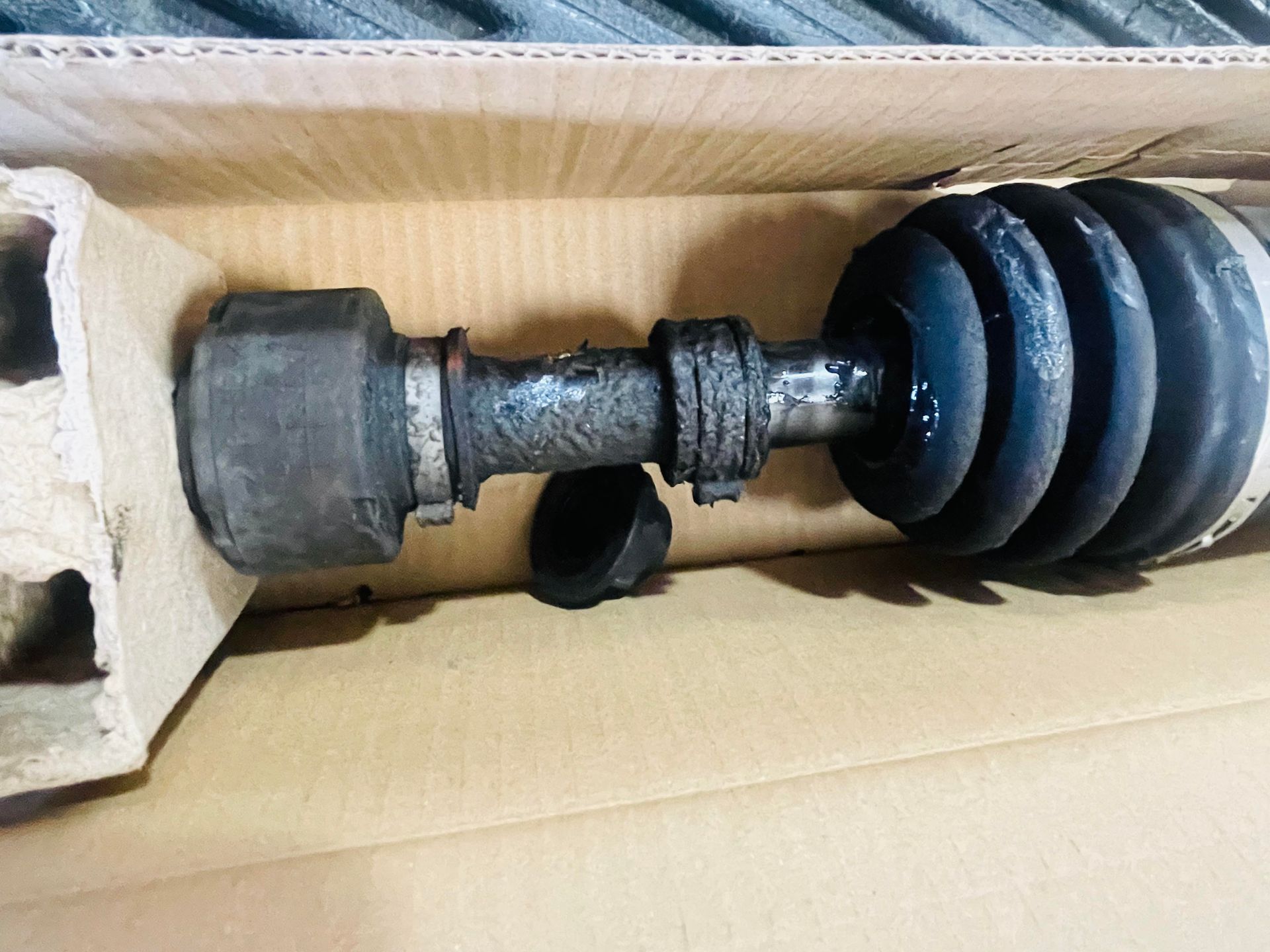
Drive it in a few different conditions if you can: low-speed turns, steady cruising, and a couple moderate accelerations. Notice whether the transmission shifts cleanly, whether the engine pulls evenly, and whether the steering stays centered. If you feel a vibration that comes and goes at a specific speed, it could point to tire, wheel, or drivetrain issues.
5) What Are The Biggest Red Flags In The Engine Bay?
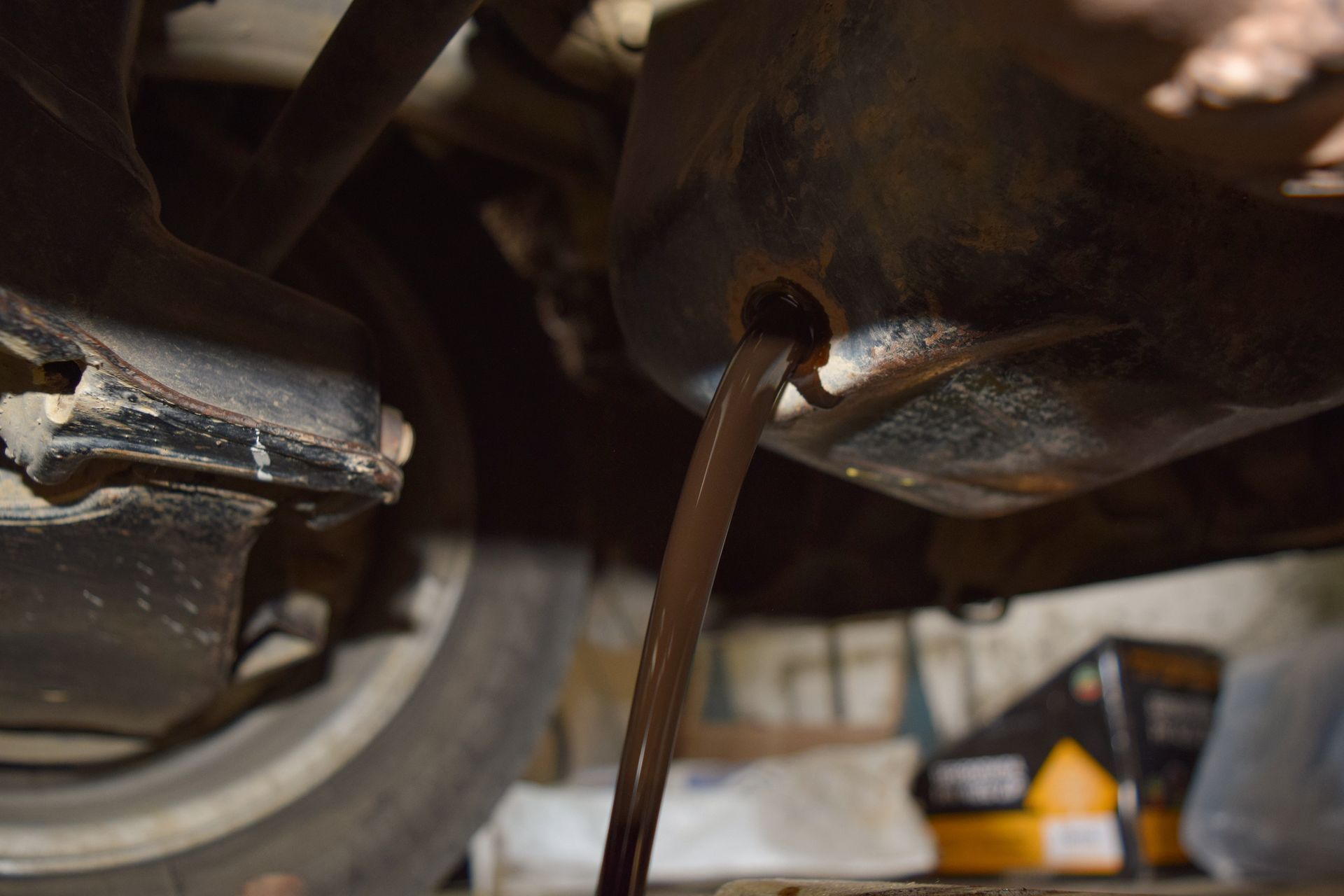
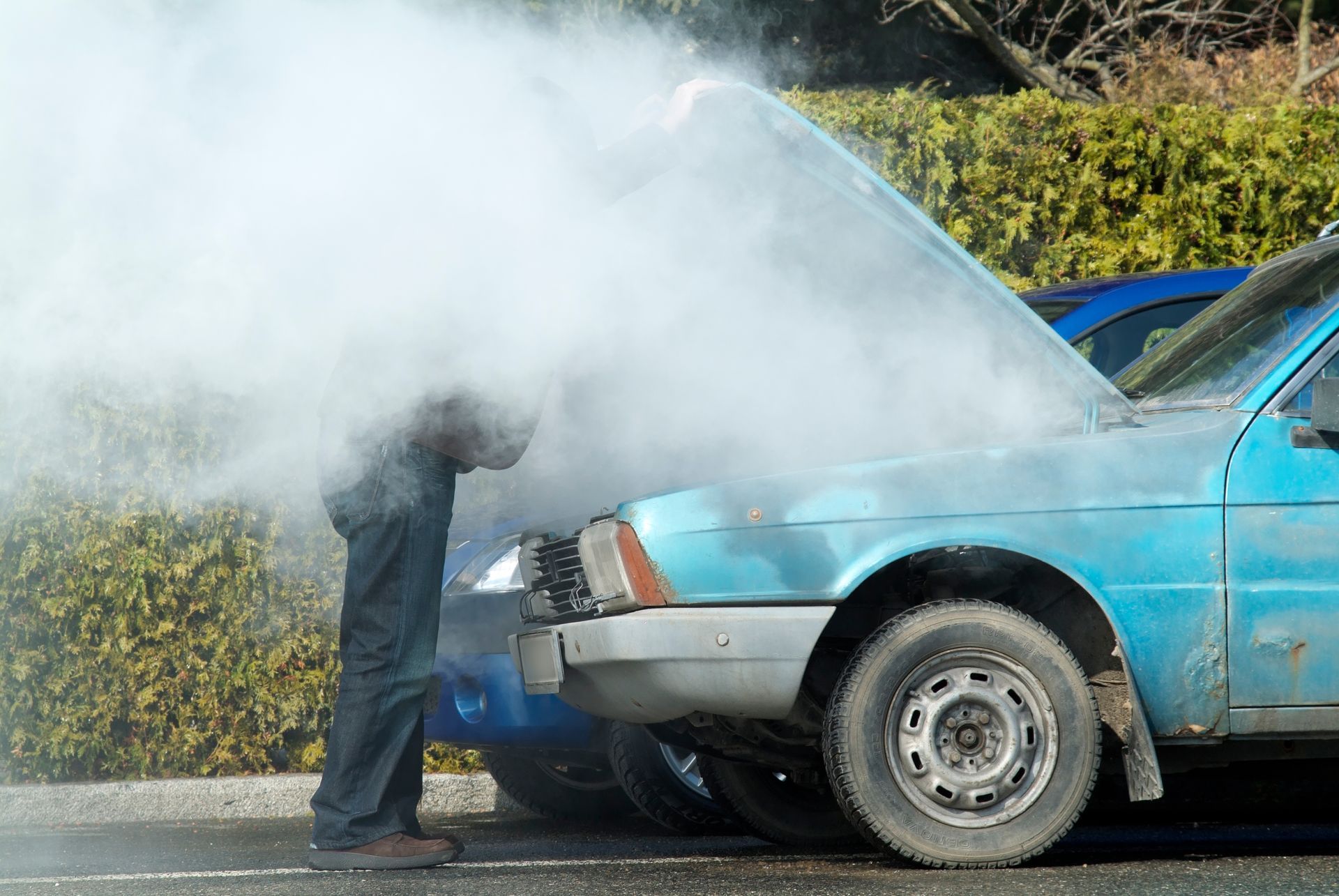
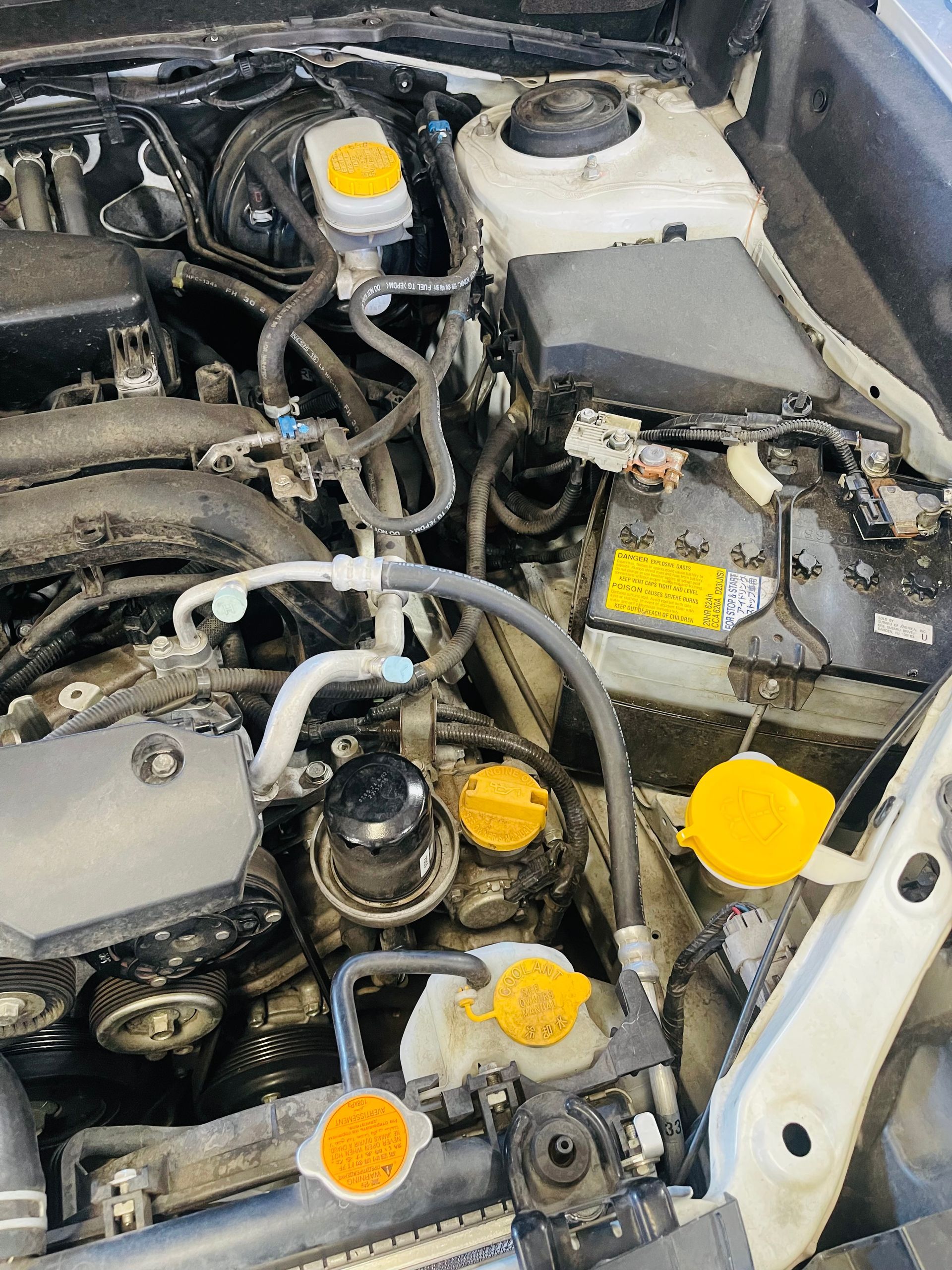
Fresh wet oil, crusty coolant residue, and improvised wiring are the big ones. Also look for missing covers, broken clips, and hoses that look swollen or recently disturbed. A spotless engine bay isn’t automatically bad, but if everything looks freshly cleaned, ask why and look closer for new seepage.
6) How Can I Tell If The Car Has Hidden Body Or Flood Damage?
Check for mismatched paint texture, uneven panel gaps, and overspray on trim or rubber seals. Inside, look for musty odor, damp carpet, and water lines in the trunk spare tire well. Fogged headlight housings and corrosion on seat brackets can also be clues that the car saw more water than it should have.
7) Which Dashboard Warnings Should Make Me Walk Away?
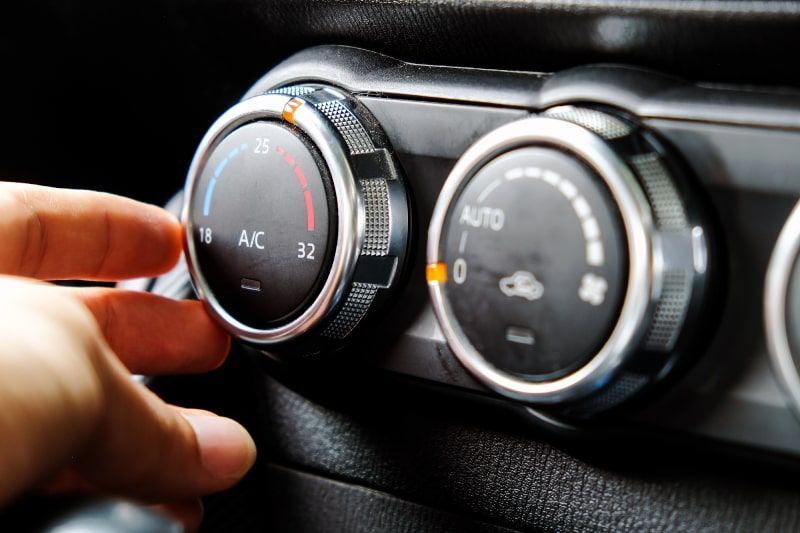
A steady warning light does not always mean the car is doomed, but you should treat it as a negotiating point and verify what it is. Multiple warnings at once, flashing warnings, or warnings paired with obvious drivability issues are bigger concerns. If the seller says the light has always been on, assume you’re buying the problem.
8) What Should I Look For In The Tires And Wear Patterns?
Uneven wear tells a story. Inside-edge wear often suggests alignment drift or worn suspension parts, while cupping can hint at worn shocks or balance issues. If the tires are mismatched brands or very different tread depths side to side, it can point to cut corners or a hurried replacement after an issue.
9) How Do I Ask About Previous Repairs Without Being Awkward?
Keep it simple and specific. Ask what was repaired in the last year, what prompted the repair, and whether anything similar has happened since. If they mention a repeat issue that keeps coming back, that’s useful information, even if it sounds minor.
10) Should I Be Concerned If It Was Recently Serviced?
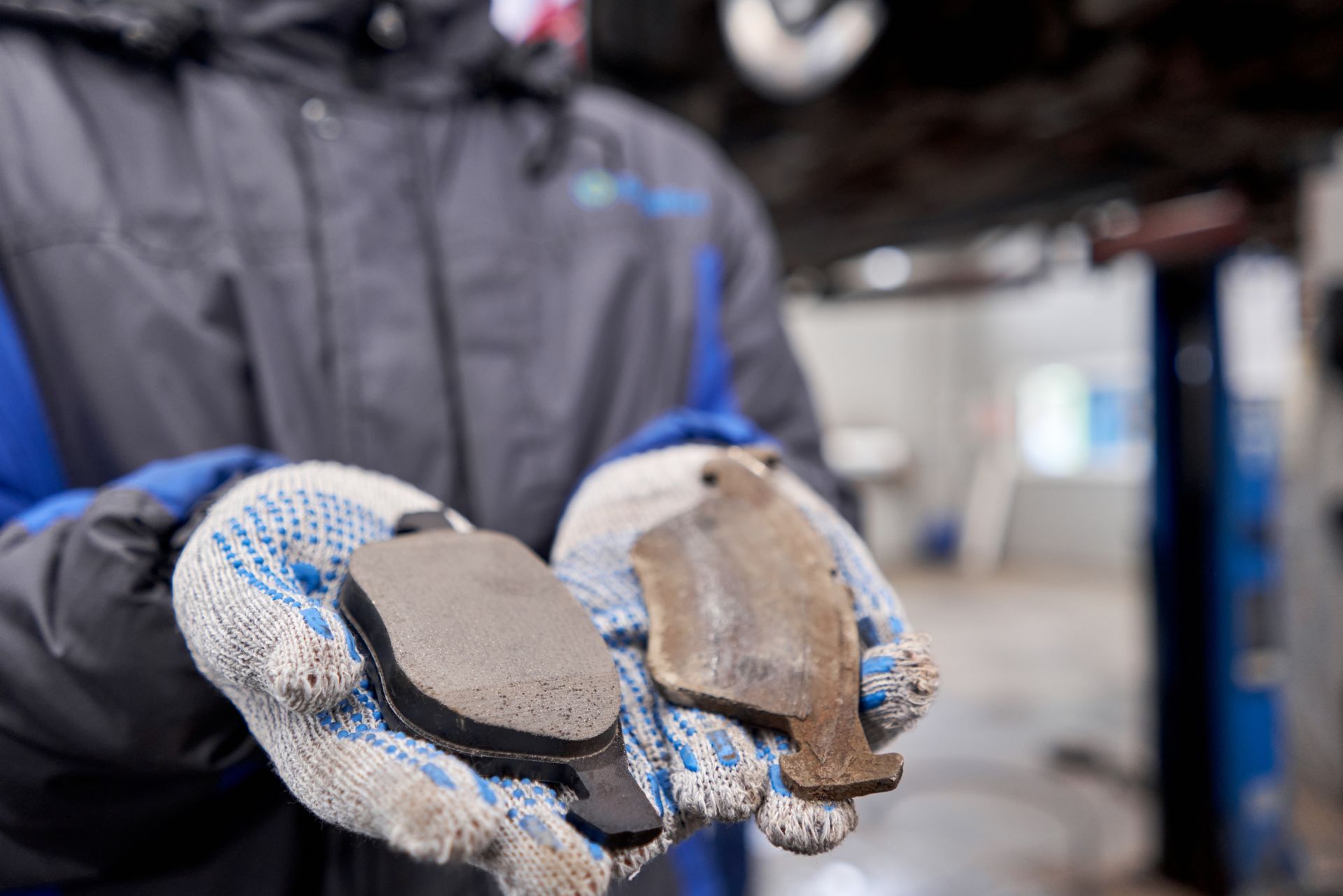
Not necessarily, but it depends on what was done and why. Fresh tires and brakes can be a good sign, but a rush of repairs right before selling can also mean the seller is trying to quiet symptoms. If a major component was replaced, ask whether it was preventative or because the car was already failing.
11) What Questions Help Me Negotiate Fairly?
Ask what items are due soon and what the seller would do next if they were keeping the car. If you find clear needs like tires, brakes, or fluid leaks, price those into your offer with a calm explanation. Good sellers usually respond better to specifics than to vague statements about the car feeling off.
12) Is A Pre-Purchase Inspection Worth It?
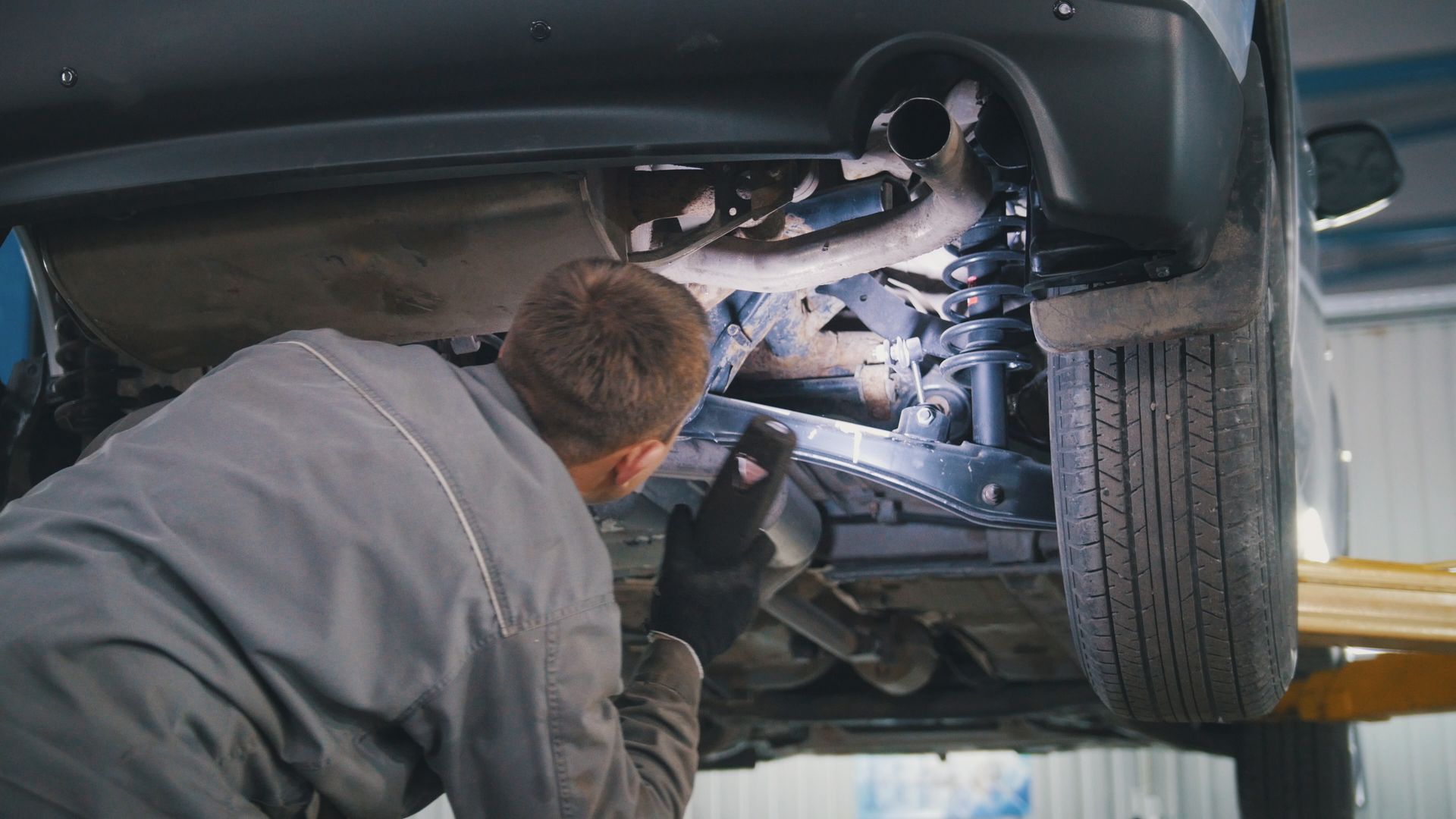
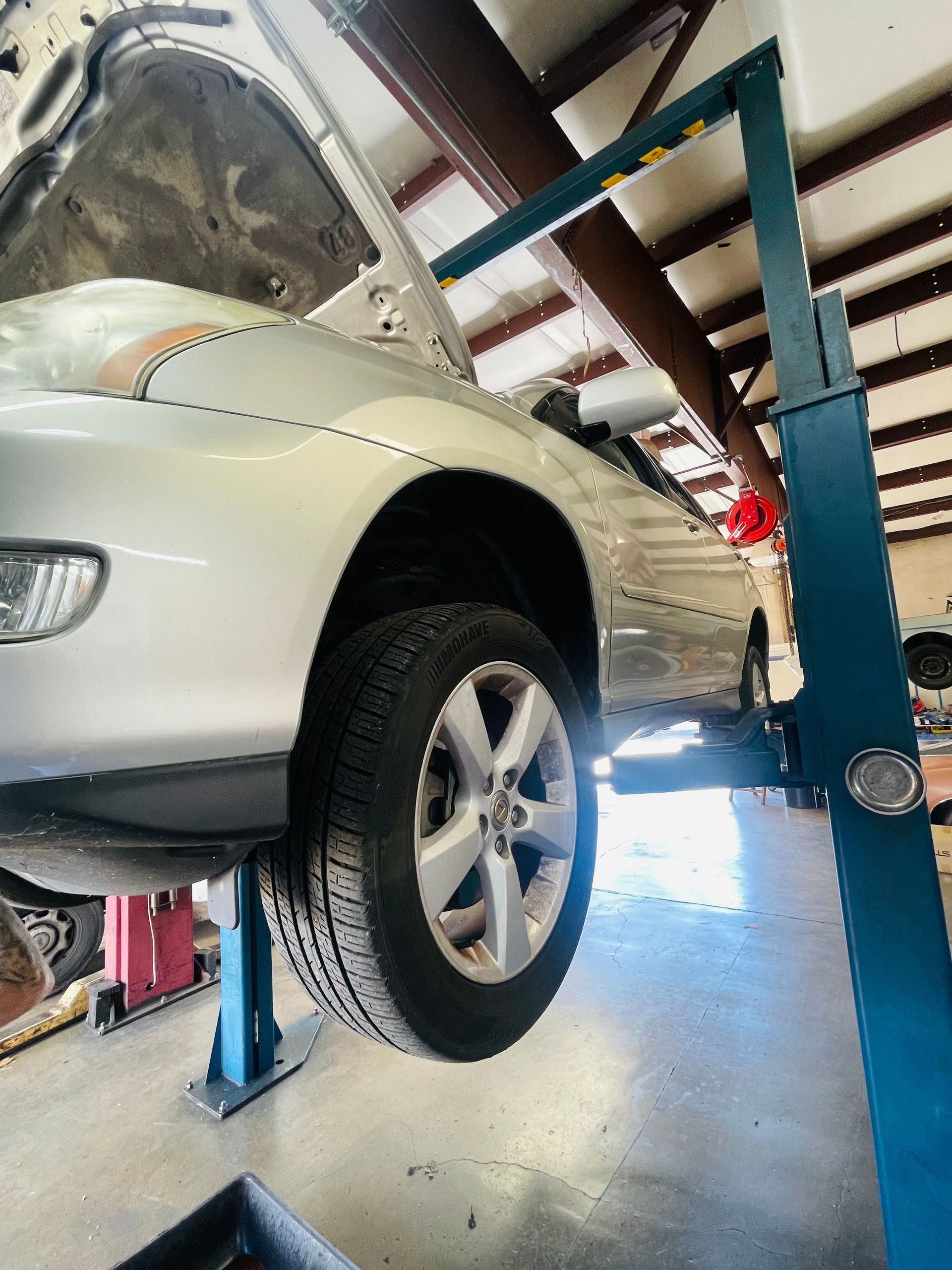
Yes, especially when you don’t have complete records or the car is outside the factory warranty. A thorough lookover on a lift can reveal leaks, worn suspension parts, and underbody damage you cannot see in a driveway. It can also give you a realistic list of what the car will need in the next 6 to 12 months.
Get Pre-Purchase Checks In Rancho Cordova, CA, With Asian Imports Garage
Asian Imports Garage in Rancho Cordova, CA, can evaluate the vehicle you’re considering, point out the costly surprises, and help you decide whether it’s a smart buy or one to skip.
Bring it by before you commit.