Oil changes are one of the easiest things to put off because the car usually keeps driving like nothing is wrong. A lot of myths make that procrastination feel reasonable. You hear a friend say modern oil lasts forever, or you see dark oil on the dipstick and assume it’s already ruined.
The truth is, oil service is less about perfection and more about preventing expensive wear that builds quietly. The wrong assumption can lead to sludge, timing issues, overheating, or oil consumption that shows up later when you least want a surprise repair.
A few simple facts can save you a lot of money.
Why Oil Change Myths Stick Around
Oil myths stick because some of them are half-true in the right situation. Yes, some engines can go longer between changes, and yes, oil can look dark and still be doing its job. The problem is that most people apply those ideas to every car and every driving routine.
Your driving habits matter as much as mileage. Short trips, long idle time, heavy traffic, extreme heat, and lots of cold starts can all age oil faster than the average interval assumes. When you combine that with outdated advice, it’s easy to end up running old oil far past its comfort zone.
Myth: Dark Oil Means You Must Change It Immediately
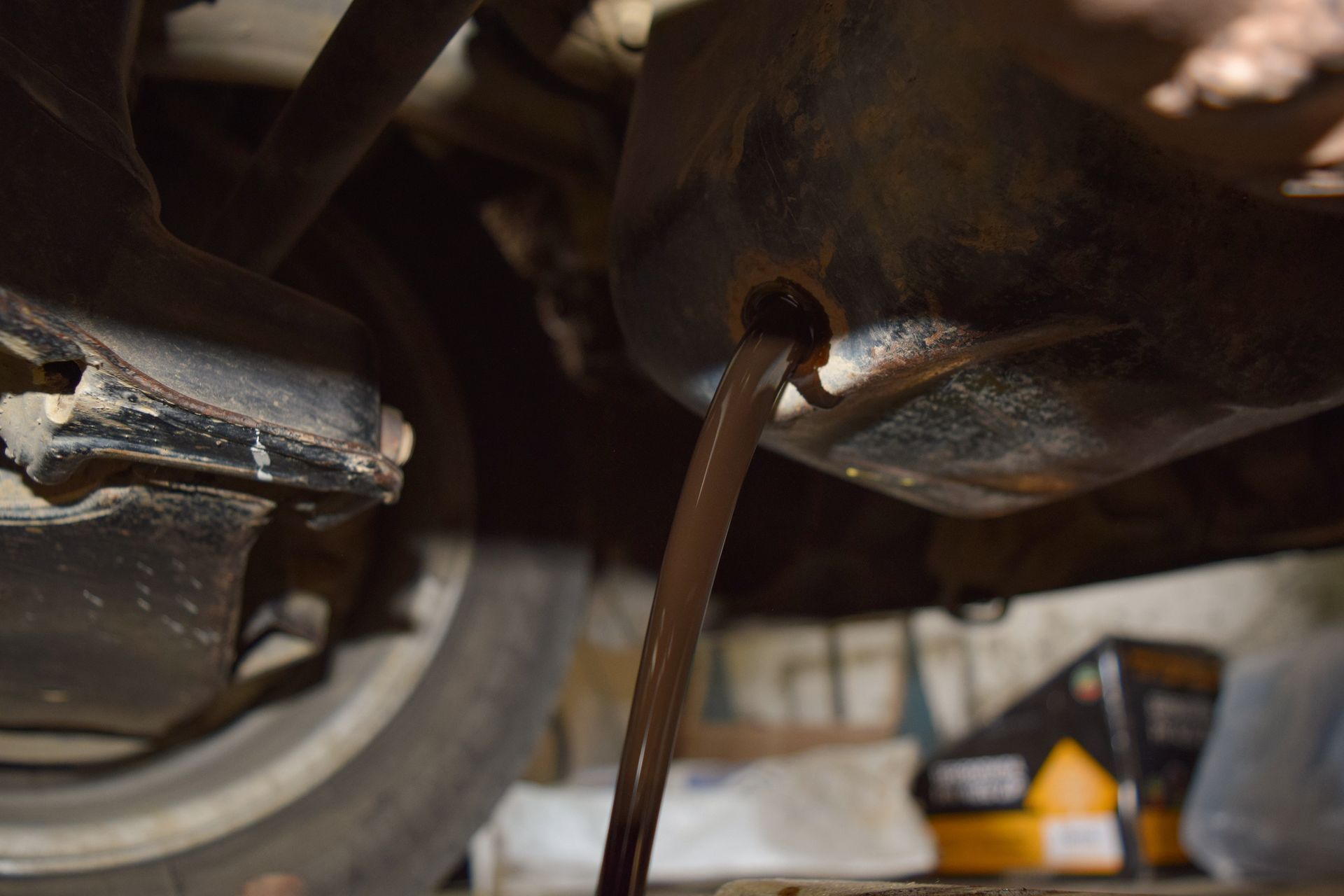
Oil often turns dark quickly, especially in engines that do a lot of short trips or city driving. Dark color can simply mean the oil is doing its job, holding soot and byproducts in suspension so they do not bake onto engine parts. If you changed your oil recently and it looks darker than expected, that alone is not proof that something is wrong.
What matters more is time, miles, and condition. If oil is very thin, smells strongly of fuel, or the level is dropping faster than normal, that is more meaningful than color. We’ve seen plenty of engines with clean-looking oil that was overdue and breaking down under heat.
Myth: You Can Always Follow The Longest Interval
Those long intervals are often based on ideal driving, which is not how many people actually use their vehicles. Stop-and-go traffic, short trips, and long idling can add a lot of engine hours while barely adding mileage. That can leave you thinking you are safe because you did not drive far, even though the oil has been working hard.
A smarter approach is matching the interval to your real routine. If you mostly drive short trips, or your commute is slow and hot, your engine may benefit from shorter intervals. If you do long highway drives at steady speed, you may be able to follow a longer interval comfortably.
Myth: All Filters and Oil Are the Same
Oil is only as useful as its ability to keep flowing and keep contaminants controlled. A bargain filter that loads up quickly or has a weak bypass valve can reduce protection, especially toward the end of the interval. Using the wrong oil type or viscosity can also change how the engine builds oil pressure at startup and how it handles heat.
Here’s what a solid oil service should cover beyond simply pouring in fresh oil:
- The correct oil type and viscosity for your engine and driving conditions
- A quality filter that can hold debris without starving flow
- A quick look for leaks so the engine does not run low between visits
- A reset plan that makes sense if you are overdue or unsure of history
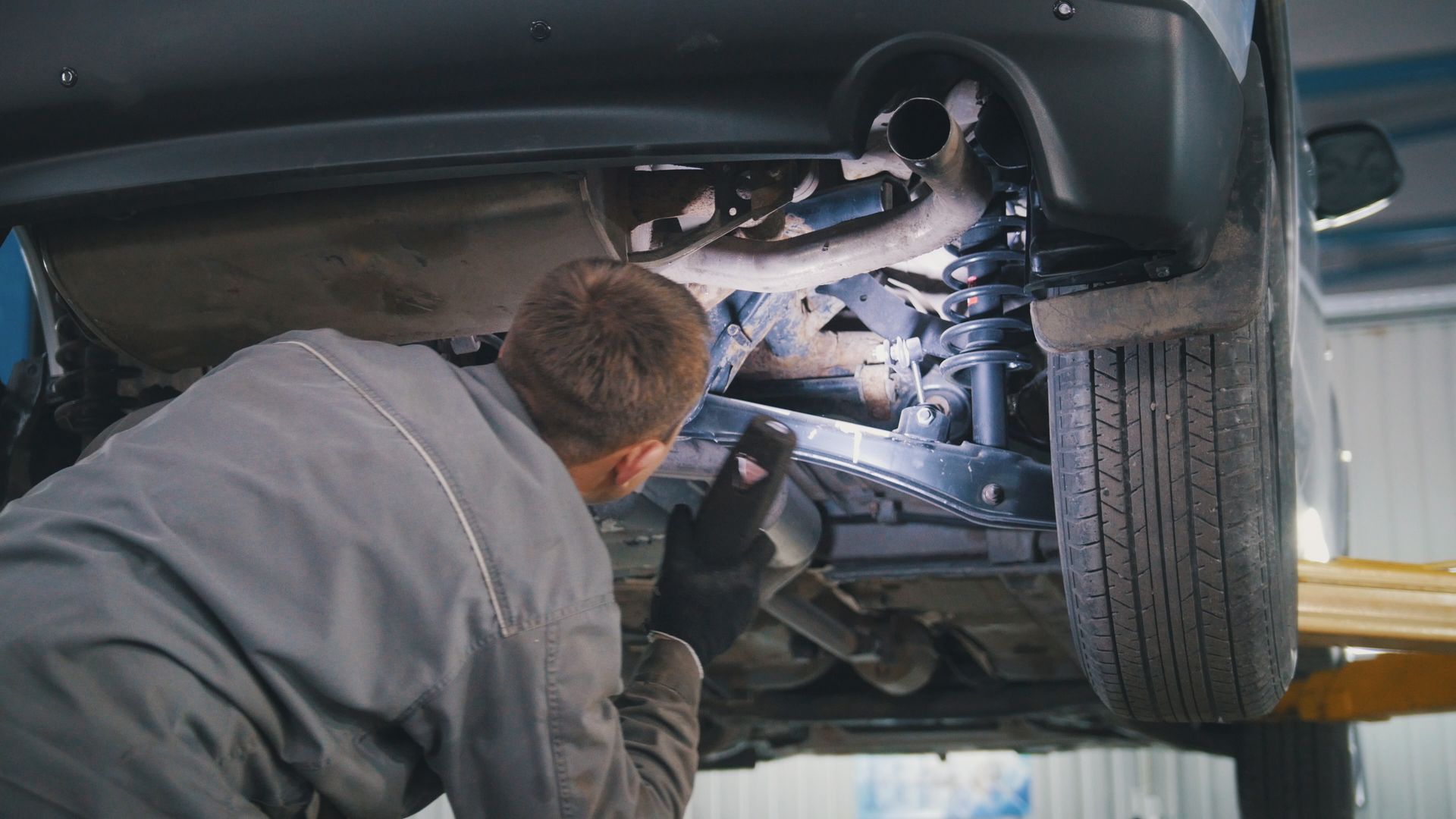
- A check of fluid level and obvious warning signs while the vehicle is in the air
That is how you keep an oil change from turning into a bigger problem later.
Myth: Additives And Quick Fixes Replace Maintenance
Oil additives get marketed like they can undo wear, stop consumption instantly, or clean out years of buildup in one shot. Some products may help specific situations, but they are not a replacement for clean oil and proper intervals. If an engine is already sludged up, trying to dissolve everything at once can create new problems by moving debris into places it should not go.
The more cost-smart move is getting a clear baseline. Fresh oil, a good filter, and a reasonable schedule can stabilize a lot of borderline situations. If oil consumption is climbing or leaks are present, it is better to address the cause than to keep feeding the engine additives and hoping the dipstick stops dropping.
Get Oil Change Service in Rancho Cordova, CA with Asian Imports Garage
We can help you choose the right oil and interval for your vehicle, check for leaks or early wear signs, and keep your maintenance plan simple and realistic.
Call or schedule your visit today, and we’ll help you avoid the oil myths that turn into expensive repairs.