The timing belt hides under covers and usually does its job quietly, which makes it easy to forget. When it fails, though, the engine can stop instantly, and on many vehicles, that can mean bent valves and a major repair bill. The safest approach is to replace it based on mileage and time, not on waiting for noise or other symptoms.
Why Timing Belts Have a Set Replacement Schedule
Timing belts are reinforced rubber that keep the crankshaft and camshafts in sync. Every rotation flexes the belt around pulleys, and heat and age slowly weaken both the rubber and the internal cords. The belt can still look decent from the outside while it is losing strength inside.
Because you often cannot see early damage, manufacturers test these parts and publish mileage and time limits. Once you go past those numbers, the odds of a sudden break start to rise. We treat the interval as a deadline, not something to stretch again and again.
Typical Timing Belt Intervals for Modern Vehicles
Your owner’s manual is always the final word, but many timing belt engines fall between roughly 60,000 and 105,000 miles, with a time limit of about 7 to 10 years. Rubber ages from years of heat cycles as much as from distance. A low mileage car that is more than a decade old can still be due for a belt.
If you bought the vehicle used and there is no clear record of a timing belt service, it is safer to assume it has not been done. Once the odometer is in the belt range, planning replacement usually costs far less than gambling on an unknown belt and risking engine damage.
Driving Conditions That Shorten Timing Belt Life
Some cars live a tougher life than the factory test cycle. If your daily driving looks like this, staying on the early side of the interval is smart:
- Heavy stop and go driving that keeps the underhood temperatures high
- Very hot weather, frequent towing, or lots of steep hills
- Oil leaks at the front of the engine that can soak the belt or tensioner
When we inspect vehicles that see this kind of use, we rarely recommend pushing the belt to the maximum mileage printed in the book.
Warning Signs Your Timing Belt System Needs Attention
Many timing belts fail without a dramatic warning, which is why mileage and age matter so much. Still, related parts sometimes hint at trouble. A light tick, chirp, or slapping noise from the front of the engine, especially when it is cold, can point to a loose belt, weak tensioner, or worn idler pulley.
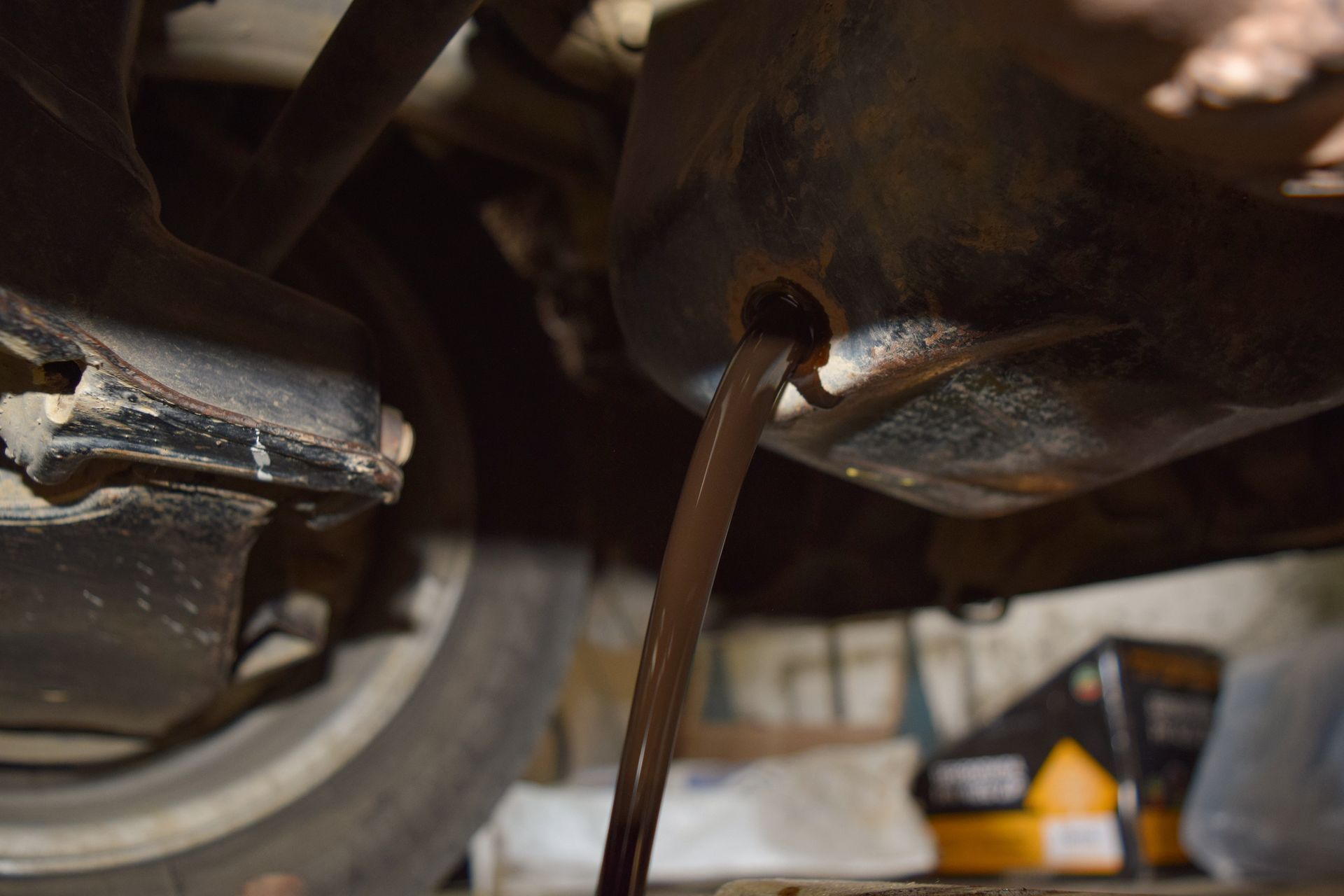
Oil residue or dampness around the timing cover is another clue. Once oil reaches the belt, it can soften the rubber and weaken the bond to its internal cords. If you see that and the engine is near its interval, it is usually time to schedule a full timing belt service.
Why the Water Pump Often Gets Replaced at the Same Time
On many engines, the timing belt also drives the water pump. To reach that pump, the belt and front covers must come off. Installing a new belt on an old pump means betting that the pump will not start leaking or seize before the next belt interval.
Replacing the pump, tensioner, and idler pulleys with the belt adds some parts cost, but little extra labor once everything is open. We have seen more than a few fresh belts ruined by an older pump that failed a short time later. Doing the full kit at once gives you a clean, reliable starting point.
Get Timing Belt Replacement in Rancho Cordova, CA with Asian Imports Garage
If your vehicle is getting close to its timing belt mileage, the service history is unknown, or you have noticed noise or seepage at the front of the engine, now is the right time to plan the repair. We can confirm the interval for your model, inspect the timing area, and replace the belt and related parts before they fail.
Schedule timing belt replacement in Rancho Cordova, CA with
Asian Imports Garage, and we will help keep your engine in sync and running strong for the miles ahead.