April 15, 2026

Why Did My Car’s AC Compressor Fail? 5 Common Reasons


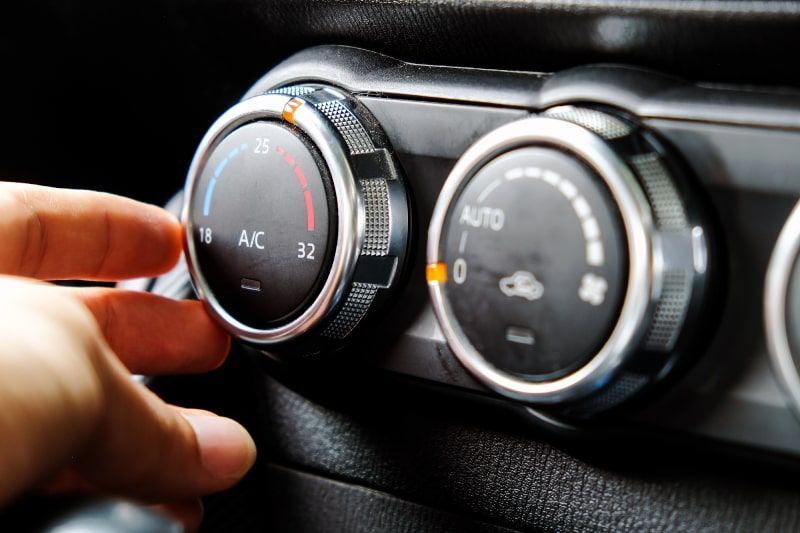
Nothing ruins a drive faster than an air conditioning system that suddenly quits. In most cases, the "heart" of your cooling system—the AC compressor—is the part that has given out. 


At Asian Imports Garage, we see AC issues every day. Whether it's a domestic truck or an import SUV, these systems rely on a complex balance to stay cool. While some compressors simply reach the end of their lifespan, many failures are preventable. Here are the most common reasons your AC compressor might be failing: 


1. Refrigerant Leaks & Low Levels

The compressor doesn't just move refrigerant; it also relies on it to carry the lubricating oil that keeps internal parts moving. When you have a leak in a hose or seal, the system loses both cooling power and lubrication. Running a "dry" compressor will cause it to overheat and eventually seize up. 


2. Clogged Expansion Valves (Excessive Pressure)

Think of the expansion valve as the "gatekeeper" of your AC system. It regulates how much refrigerant flows into the evaporator. If this part gets stuck or clogged with debris, it creates a massive backup of pressure. This puts incredible strain on the compressor, forcing it to work against high resistance until the internal seals or pistons finally give out.


3. A Clogged Condenser

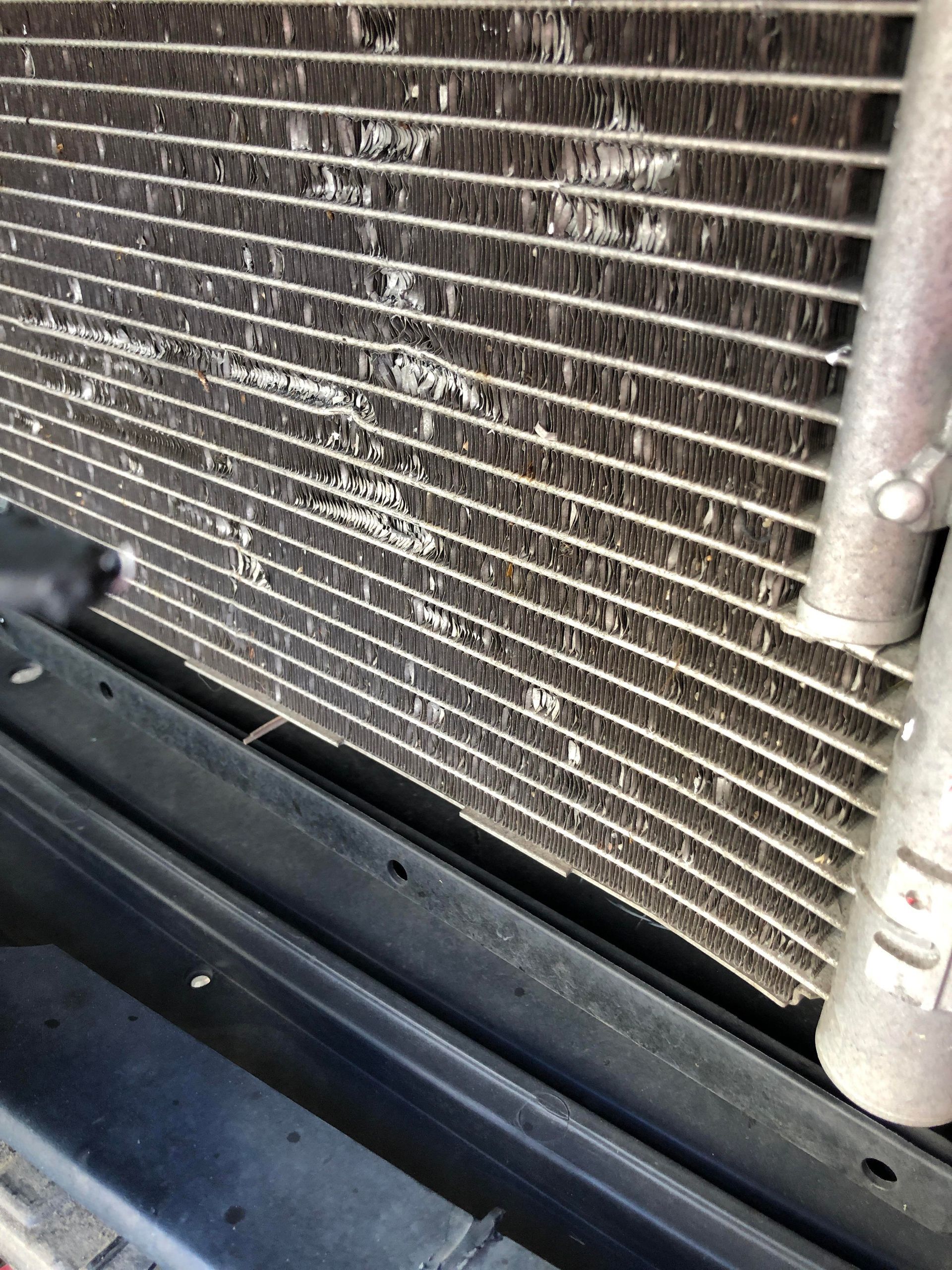
Your condenser (at the front of your car) needs steady airflow to shed heat. If it gets blocked by leaves, bugs, or road grime, the system can't cool down. This causes high pressure to build up, forcing the compressor to work twice as hard until it literally burns itself out. 


4. Failed Compressor Clutches (A Common Issue!)

The compressor clutch allows the unit to engage and disengage. If the clutch fails, the compressor can't spin at all. We recently saw this exact issue with a 2018 Subaru Forester that came into our shop. The owner noticed the AC was blowing warm, and our diagnostic confirmed a failed AC compressor clutch. We were able to get them back on the road with a fresh unit and ice-cold air. 


5. Lack of Use (Winter Dormancy)

Believe it or not, not using your AC can kill it. The rubber seals in your AC system need to stay lubricated by the oil that circulates with the refrigerant. If you don't run your AC for months during the winter, those seals can dry out and crack, leading to the leaks mentioned above.


Specialists in Asian & American Vehicles

Whether you drive a Ford, Dodge, Chevy, or Jeep, or an import like a Subaru, Acura, Toyota, Lexus, Mazda, Kia, Hyundai or Honda, our team has the specialized tools to handle the job. We understand the specific quirks of different manufacturers—like the common AC clutch issues found in many Asian models—ensuring you get a fast, accurate repair the first time. 


Warning Signs You Shouldn’t Ignore

  • Warm Air: The vents blow, but the air isn't cold.
  • New Noises: Grinding, squealing, or loud clicking when the AC is on.
  • Frequent Cycling: The AC "clicks" on and off every few seconds.
  • Oil Leaks: Greasy spots around AC components under the hood. 

Don't Sweat the Summer – Visit Asian Imports Garage!

AC systems are pressurized and complex. If you suspect your compressor is on its last leg, don't wait for a total breakdown. A professional diagnostic at Asian Imports Garage can identify leaks or clogs before they destroy your entire system. 


Call us at (916) 631-9349 to schedule your appointment today! 

Cooling System FAQ: 10 Questions Drivers Should Ask Before It Gets Worse | Asian Imports Garage
April 15, 2026
Asian Imports Garage in Rancho Cordova, CA, answers key cooling system questions before problems get worse.
By amansgarcha22 April 15, 2026
Engine Grinding or Whining? Why Your Water Pump Might Be Failing 
Don’t Lose Your Cool: Why Your AC Condenser is the Key to a Chilly Cabin - Asian Imports Garage
April 7, 2026
If your AC isn't performing like it used to, bring it to the pros. Contact Asian Imports Garage Today to schedule your AC inspection!
Why A Pre-Purchase Inspection Is Important - Asian Imports Garage
March 23, 2026
Bring it to Asian Imports Garage for a professional Pre-Purchase Inspection before you sign the paperwork.
Why Transmission Fluid Service Is IMPORTANT - Asian Imports Garage
March 23, 2026
Transmission Fluid Service Is VERY IMPORTANT for you and your wallet. Here's why!
Routine Inspection | Asian Imports Garage
March 19, 2026
At Asian Imports Garage, we don't just "change the oil"—we inspect the vital fluids that keep your vehicle reliable. Call us or schedule an appointment online!
The Used Car FAQ Guide: What to Ask Before You Buy | Asian Imports Garage
March 15, 2026
Asian Imports Garage in Rancho Cordova, CA, shares the used car questions to ask before you buy to avoid surprises.
February 27, 2026
Asian Imports Garage in Rancho Cordova, CA, explains why an exhaust can sound louder than normal and what usually fails.
Oil Change Myths That Can Cost You a Lot of Money | Asian Imports Garage
January 30, 2026
Asian Imports Garage in Rancho Cordova, CA, breaks down common oil change myths that can quietly cost you money through extra wear.
By amansgarcha22 January 27, 2026
The Real Dangers of Worn Control Arm Bushings When you bring your vehicle in for a routine inspection, a technician might point out that your control arm bushings are cracking or beginning to tear. It is easy to dismiss this as a minor issue—after all, it is just a small piece of rubber. However, those bushings are critical safety components. They serve as the pivot points for your suspension, and when they fail, they compromise the integrity of your entire vehicle. Why Bushing Integrity Matters Control arms connect your wheel assembly to the vehicle frame. The bushings act as the cartilage in these joints, allowing for movement while absorbing road vibration. When the rubber cracks or tears, that cushion disappears, leading to metal-on-metal contact and unpredictable wheel movement. The Hidden Safety Hazards Driving with torn control arm bushings is more than an inconvenience; it is a safety risk that affects how your car handles in an emergency. 1. Compromised Braking Performance When you slam on the brakes, your vehicle weight shifts forward. Bushings are designed to hold the control arms in a fixed position during this force. If the rubber is torn, the front wheels can move backward or oscillate under pressure. This shift can significantly increase your stopping distance and cause the car to pull violently to one side during a hard stop. 2. Unpredictable Steering and Wandering Torn bushings create play in the suspension. This means your wheels are no longer held firmly in alignment. At highway speeds, you may notice the car wandering or drifting within the lane. In an emergency swerve, this lack of precision can lead to oversteering or a loss of control, as the suspension cannot react as quickly as your steering input. 3. Risk of Component Failure Suspension components work in a delicate balance. When a bushing fails, it places immense stress on the ball joints, tie rods, and struts. Excessive vibration from a failed bushing can cause a ball joint to snap. If a ball joint fails while you are driving, the wheel can collapse outward, leading to a catastrophic accident. 4. Hydroplaning Risk Because torn bushings cause your tires to sit at incorrect angles, they lead to uneven and rapid tire wear. This often results in bald patches on the inner or outer edges of the tire. These bald spots reduce your tires ability to channel water, making you much more likely to hydroplane on wet roads. Why We Recommend Replacing the Entire Control Arm While it is technically possible to press out old bushings and install new ones, it is often best to replace the complete control arm assembly . There are three main reasons for this: Integrated Ball Joints: Most control arms come with a new ball joint already installed. If your bushings are worn, the ball joint is likely nearing the end of its life too. Replacing the whole unit ensures every pivot point is brand new. Structural Integrity: Attempting to press new bushings into an old, weathered arm can sometimes stress or distort the metal. A new assembly guarantees a perfect factory fit. Labor Savings: Pressing bushings is a labor-intensive process that can cost more in shop time than simply swapping in a new arm. Replacing the entire unit is often the most cost-effective way to get your car back on the road safely. Don’t Ignore the Warning Signs Your car will usually tell you when the bushings are failing. Common symptoms include: Clunking or popping sounds when driving over bumps or turning the steering wheel. Steering wheel vibration , especially at higher speeds. A loose feeling in the steering wheel. Schedule Your Suspension Safety Check Replacing your control arms when the bushings first show signs of tearing is a proactive step that saves you from expensive tire replacements and keeps you in control of your vehicle.