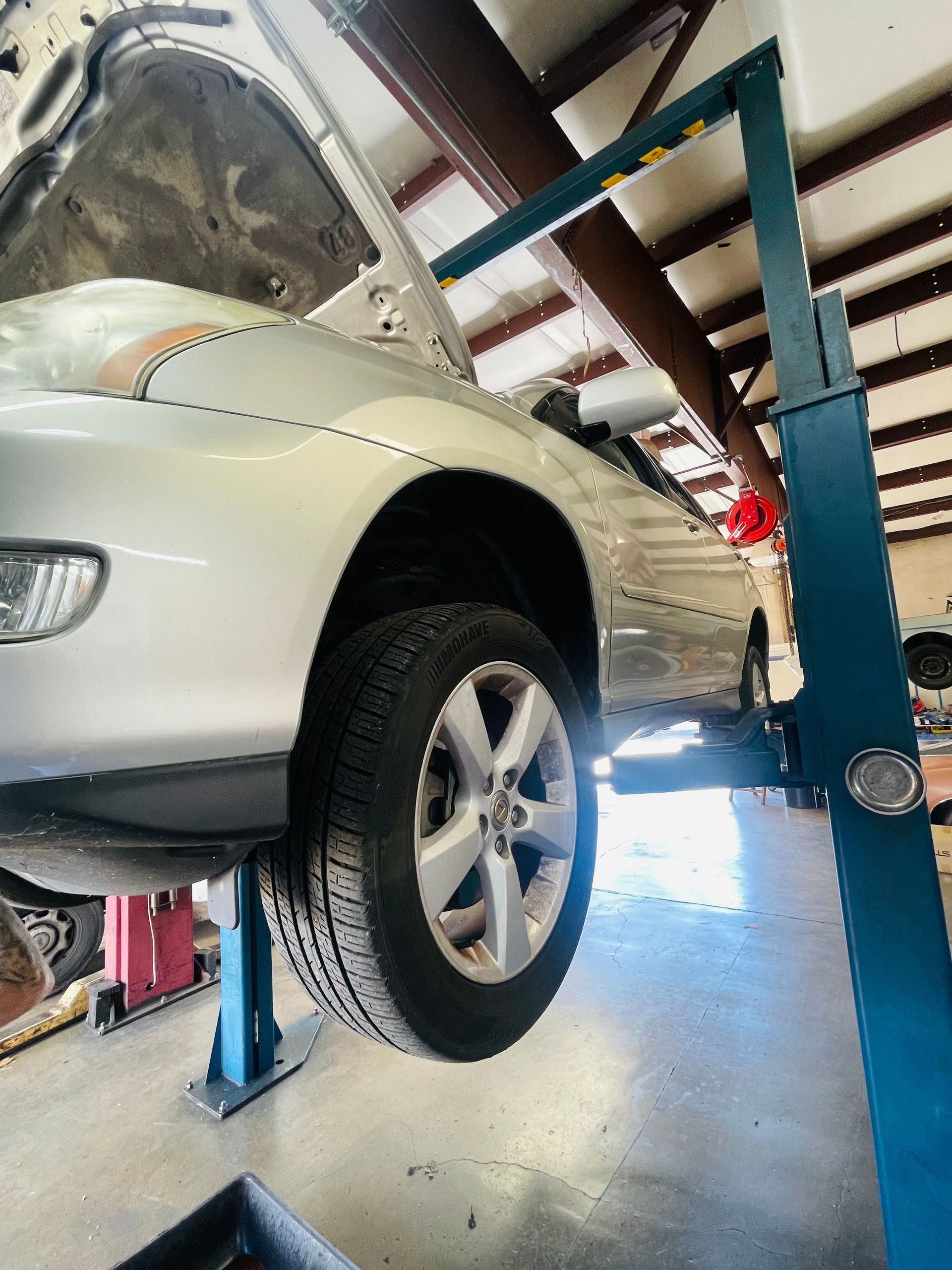
A louder exhaust can show up all at once, or it can creep up until you realize the car sounds nothing like it used to. Sometimes it is a deeper roar on acceleration. Other times, it is a sharp ticking on a cold start or a raspy note that gets worse under load. The important part is this: exhaust systems do not usually get louder for no reason, and the cause is usually findable.
What A Louder Exhaust Usually Means
Most of the time, a louder exhaust means exhaust gas is escaping earlier than it should, or a component that used to dampen sound is no longer doing its job. Exhaust noise is controlled by the sealing points and sound-reducing components, such as the muffler and resonator. When a leak opens up, noise escapes before it is softened.
In some cases, the exhaust is still sealed, but a heat shield, hanger, or bracket has loosened and is vibrating. That can make the exhaust seem louder even if the actual leak is small. We’ve seen plenty of “loud exhaust” complaints that turned out to be a simple contact point making everything resonate.
Simple Reasons Exhaust Noise Can Change Suddenly
If the sound changed overnight, start thinking about what could have shifted, cracked, or come loose. Road impacts and temperature swings are big triggers, especially on older exhaust hardware. A pothole hit can also change clearances and make the pipe tap the body or a crossmember.
Here are a few common reasons the sound gets louder fast:
- A joint gasket starts leaking at a flange connection
- A flex pipe develops a crack or split
- A hanger breaks and the exhaust sags into contact
- A heat shield rusts loose and starts buzzing
- A muffler internal baffle breaks and rattles
If the noise is strongest right after startup and then changes as the car warms up, that detail matters. Metal expands with heat, so some leaks get quieter while others get louder once everything is hot.
Leaks Near The Engine Make The Biggest Difference
Leaks near the front of the exhaust are usually the most noticeable because they are close to the engine and the pressure pulses are stronger. A small leak at the exhaust manifold or a gasket can sound like ticking, especially on a cold start. As the engine warms, the sound may change into a sharper hiss or a louder raspy note under acceleration.
Flex pipes are another common culprit. They are designed to move with engine motion, which also means they are a common failure point. When a flex pipe cracks, the exhaust can get louder quickly, and you may smell exhaust more strongly around the front of the vehicle. If you hear a louder sound that seems to come from under the hood area, this is one of the first places we look during an inspection.
Muffler And Resonator Problems That Change Tone
If the exhaust sound gets deeper or more boomy, the muffler or resonator may be failing internally. Mufflers can rust through on the outside, but they can also break inside. When an internal baffle comes loose, you might hear a metallic rattle along with a louder exhaust note.
Resonators are meant to cancel certain frequencies, so when one fails, the car can develop an annoying drone at cruising speed. Drivers often describe it as a “headache sound” around a specific speed range. If the vehicle is loudest at highway speed but not as loud around town, a resonator issue is worth considering.
Hangers, Shields, And Contact Points That Amplify Noise
Not every loud exhaust is a leak. A broken rubber hanger can let the exhaust hang lower and tap the body. That tapping can make the entire system sound louder because it is vibrating against the vehicle. Heat shields can also rust around their mounting points and buzz or rattle, especially at certain RPM ranges.
A useful clue is whether bumps make the sound worse. If you hear a rattle over rough pavement or the noise changes when you shift from Drive to Reverse, the exhaust may be moving more than it should. During regular maintenance, a quick undercar check can catch weak hangers and loose shields before they turn into a loud, constant annoyance.
When A Loud Exhaust Becomes More Than A Noise
A loud exhaust can be annoying, but it can also affect how the vehicle runs. Upstream leaks can confuse oxygen sensor readings and cause fuel mixture corrections that hurt mileage. Large leaks can also make the engine feel a little sluggish, especially under load. If a check engine light shows up alongside the noise, that is a sign the leak may be affecting sensors or emissions performance.
There is also a safety side. Exhaust fumes should stay outside the cabin, and a leak near the front of the system can increase the chance of fumes entering through the ventilation system, especially at idle. If you smell exhaust inside the vehicle, treat that as a priority issue and get it repaired soon.
Get Exhaust Repair In Rancho Cordova, CA With Asian Imports Garage
If your exhaust suddenly sounds louder, the next step is booking a service so the leak or failed component can be repaired correctly before it turns into a bigger problem.
Schedule service or visit Asian Imports Garage in Rancho Cordova, CA, when you want the noise gone, the system sealed up, and the vehicle back to a normal, comfortable sound level.