10 Most Common BMW Problems Every Owner Should Know About
A BMW that starts leaking coolant needs a different repair from one that shakes at idle or clunks during braking. The badge alone doesn't identify the problem. Engine generation and chassis design change the parts that need checking.
The following repair areas are worth recognizing as a BMW adds years and miles. They don't predict that every BMW will develop all 10, and the model's actual condition should determine what goes on the estimate.
1. BMW Oil Leaks Around Gaskets and Housings
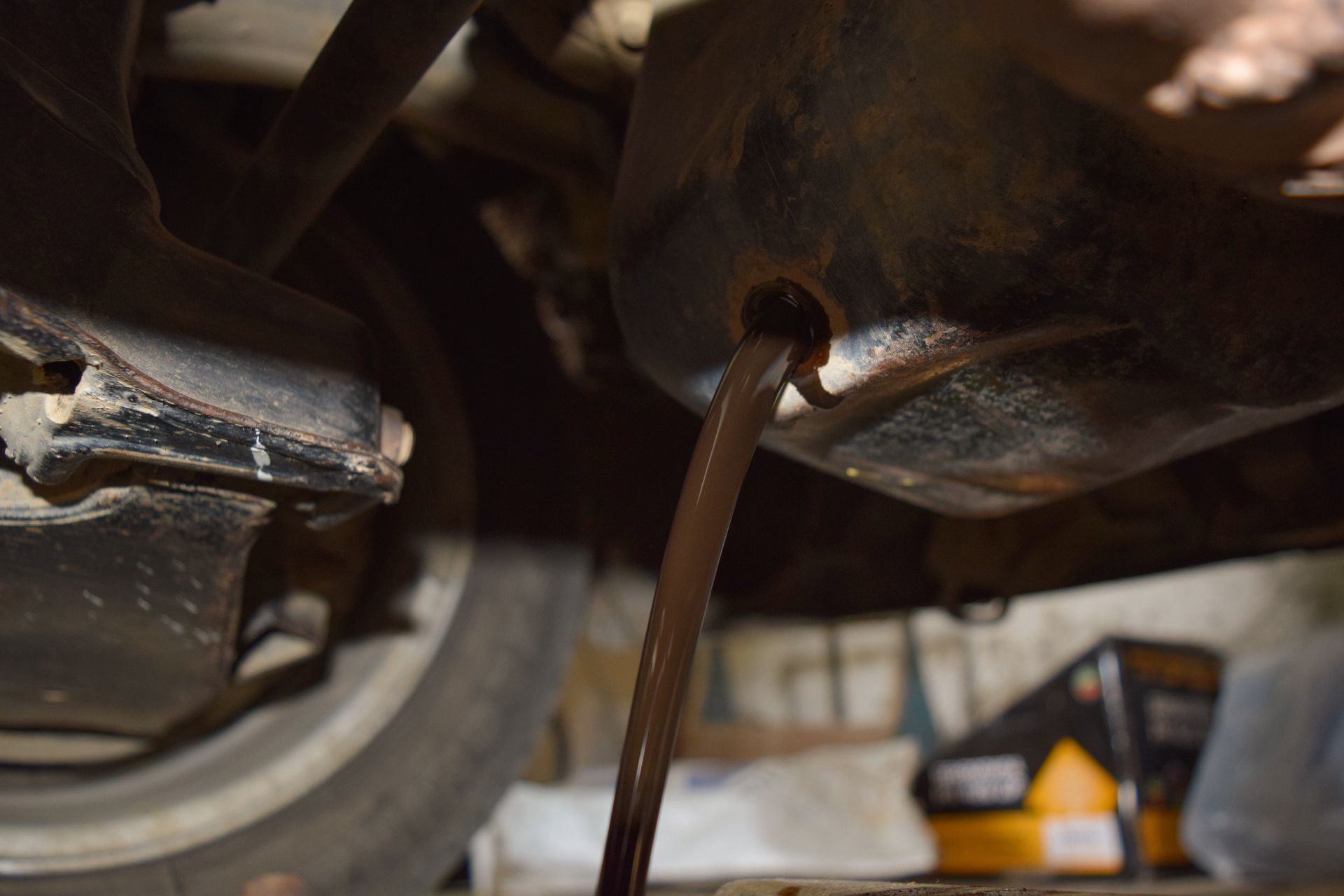
Valve-cover, oil-filter-housing, and oil-pan leaks occur on various BMW engines, with access and gasket design differing by model. Oil may collect on an undertray before a driveway spot appears. A burning odor sometimes starts when leaked oil reaches a hot surface. The inspection should trace the highest wet point and check nearby belts or connectors affected by the leak.
2. Cooling Leaks and Water Pump Problems
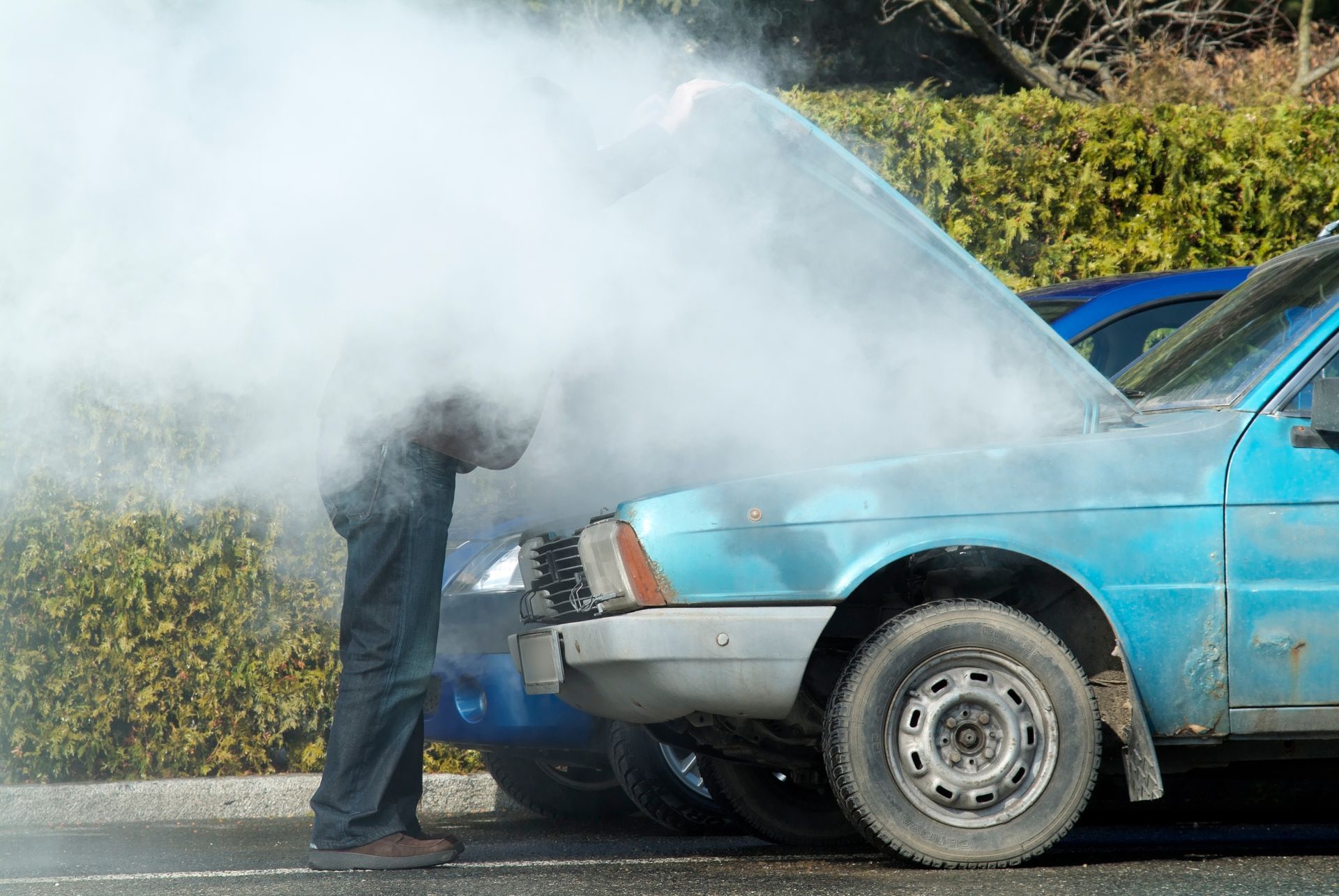
Expansion tanks, hose connections, thermostats, and water pumps all age. Several BMW engines, including many N52 and N55 applications, use an electric main coolant pump, so their testing differs from a belt-driven pump. Repeated low-coolant warnings need a leak check. An overheating warning calls for a safe stop and shutdown, not another top-off followed by driving until the next warning.
3. Spark Plug and Ignition Coil Misfires
A stumble under acceleration or uneven idle often brings ignition checks into the inspection. Many BMW gasoline engines use an individual coil above each spark plug. Misfire information identifies the affected cylinder, then testing separates a worn plug or failed coil from injector, air-leak, or compression trouble. A flashing check engine light with rough running means stop safely and arrange help.
4. BMW Crankcase Ventilation Problems
Crankcase ventilation controls how blow-by gases leave the engine. On some BMW engines, a pressure-regulating diaphragm is integrated into the valve-cover arrangement. Failure may bring whistling, rough idle, oil use, or abnormal crankcase pressure. Testing the pressure and intake behavior is more reliable than replacing a cover because a whistle happens to be near it.
5. Timing Chain Concerns on Certain BMW Engines
Some N20 and N26 applications have documented timing-chain and oil-pump-drive-chain concerns. That history applies to specific vehicles, not every BMW engine. A new timing-area noise or timing-related fault needs investigation using the engine identification and service information. Old campaign or warranty information also needs checking by VIN; a historical extension isn't a promise of current coverage.
6. Worn Control Arm Bushings and Suspension Joints
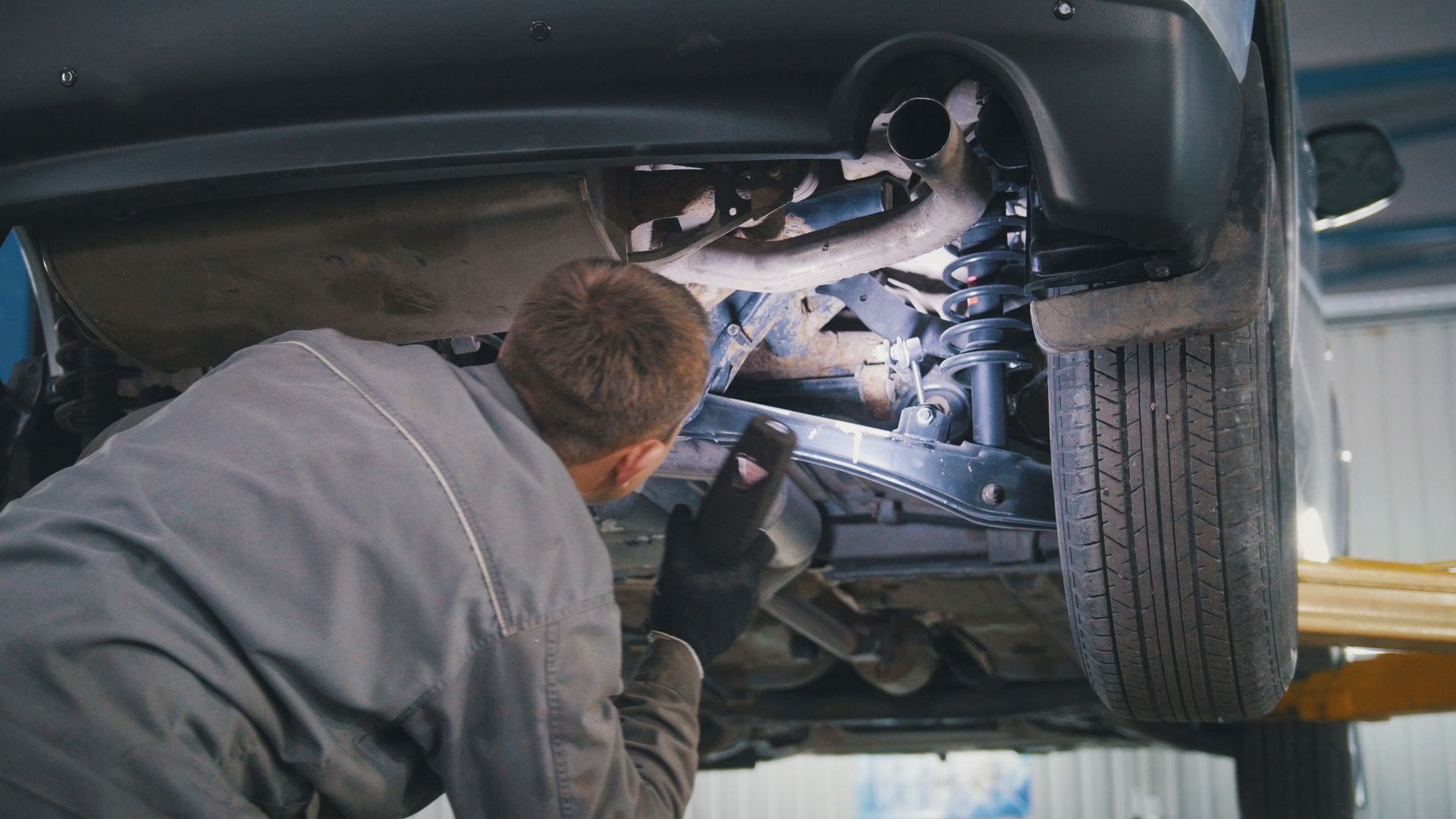
A bushing that has softened or torn lets the wheel move more under braking. Drivers may notice a shimmy, a knock, or steering that feels less settled. BMW front suspension layouts vary, so the inspection needs to identify the actual locating arms and joints involved. Adjusting alignment around a loose arm won't stop the wheel shifting on the road.
7. Battery and Charging Complaints
A weak battery or poor connection sometimes produces several warnings together. Testing should include charge condition, starting demand, and charging behavior before individual warning-related parts are ordered. Many BMWs require battery registration after replacement, and a change in battery type or capacity may require coding. The correct procedure depends on the equipment fitted to that car.
8. Engine Mount Wear and Cabin Vibration
Worn mounts pass more engine movement into the seat, steering wheel, or body. Some are fluid-filled and show leakage or collapse as they deteriorate. Vibration while stopped in gear may bring mounts into the review, but the engine must also be checked for uneven running. Replacing mounts won't smooth a cylinder that is misfiring.
9. BMW Oil Consumption Between Services
Oil use needs measuring before deciding how much is being lost. External leaks, crankcase ventilation faults, turbocharger leakage on turbocharged engines, valve sealing, and piston-ring condition should be checked based on the symptoms. Record mileage and oil added using the required level-check procedure. Topping off repeatedly without keeping a record makes the rate harder to establish.
10. Intake and Boost Leaks on Turbocharged BMWs
Cracked hoses, failed seals, or damaged charge-air pipes allow air to escape where the engine expects a sealed route. A turbocharged BMW may hesitate, hiss under load, or enter reduced-power operation. Testing compares the requested operating conditions with measured boost and checks the air path. A low-boost fault isn't automatically a request for a new turbocharger.
BMW Maintenance Helps Put Repairs in Order
Keep invoices showing the exact engine oil used, coolant work, battery details, and earlier fault repairs. That history helps distinguish a new concern from one that never fully disappeared. A fresh leak after recent work needs the serviced area reviewed before it is treated as an unrelated age problem.
If several repairs are due, begin with the faults that affect safe driving or risk immediate damage. A damaged tire, overheating engine, or major oil-pressure warning needs a different response from a slow seep being monitored. The plan should fit your car and how you use it.
Get BMW Repair in Rancho Cordova, CA, With Asian Imports Garage
Asian Imports Garage in Rancho Cordova, CA, can review BMW warning lights, leaks, rough running, and suspension complaints. Bring the service history and describe when the symptom occurs.