Engine Diagnostics in Rancho Cordova, CA

By amansgarcha22
•
January 27, 2026
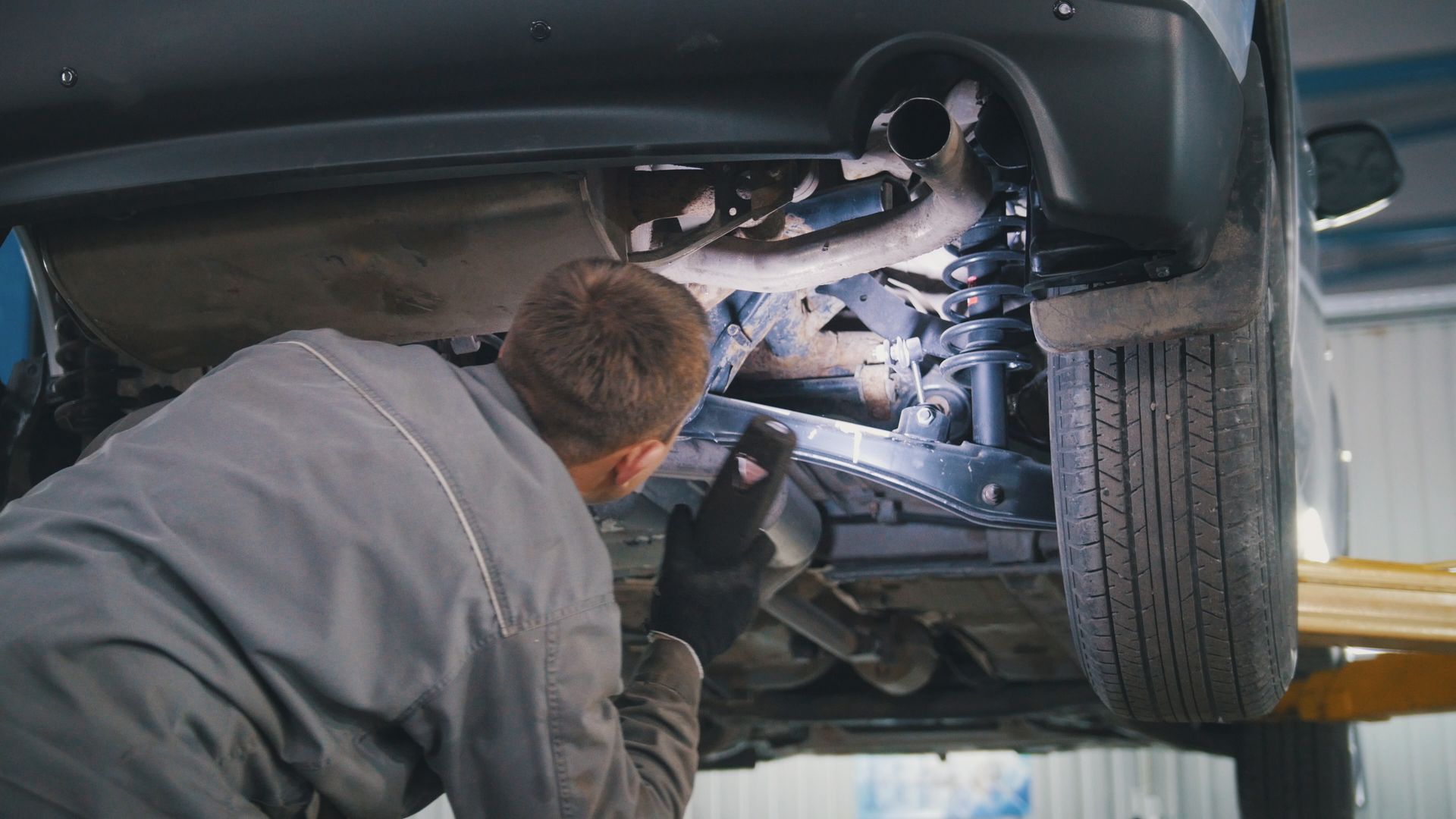
The Real Dangers of Worn Control Arm Bushings When you bring your vehicle in for a routine inspection, a technician might point out that your control arm bushings are cracking or beginning to tear. It is easy to dismiss this as a minor issue—after all, it is just a small piece of rubber. However, those bushings are critical safety components. They serve as the pivot points for your suspension, and when they fail, they compromise the integrity of your entire vehicle. Why Bushing Integrity Matters Control arms connect your wheel assembly to the vehicle frame. The bushings act as the cartilage in these joints, allowing for movement while absorbing road vibration. When the rubber cracks or tears, that cushion disappears, leading to metal-on-metal contact and unpredictable wheel movement. The Hidden Safety Hazards Driving with torn control arm bushings is more than an inconvenience; it is a safety risk that affects how your car handles in an emergency. 1. Compromised Braking Performance When you slam on the brakes, your vehicle weight shifts forward. Bushings are designed to hold the control arms in a fixed position during this force. If the rubber is torn, the front wheels can move backward or oscillate under pressure. This shift can significantly increase your stopping distance and cause the car to pull violently to one side during a hard stop. 2. Unpredictable Steering and Wandering Torn bushings create play in the suspension. This means your wheels are no longer held firmly in alignment. At highway speeds, you may notice the car wandering or drifting within the lane. In an emergency swerve, this lack of precision can lead to oversteering or a loss of control, as the suspension cannot react as quickly as your steering input. 3. Risk of Component Failure Suspension components work in a delicate balance. When a bushing fails, it places immense stress on the ball joints, tie rods, and struts. Excessive vibration from a failed bushing can cause a ball joint to snap. If a ball joint fails while you are driving, the wheel can collapse outward, leading to a catastrophic accident. 4. Hydroplaning Risk Because torn bushings cause your tires to sit at incorrect angles, they lead to uneven and rapid tire wear. This often results in bald patches on the inner or outer edges of the tire. These bald spots reduce your tires ability to channel water, making you much more likely to hydroplane on wet roads. Why We Recommend Replacing the Entire Control Arm While it is technically possible to press out old bushings and install new ones, it is often best to replace the complete control arm assembly . There are three main reasons for this: Integrated Ball Joints: Most control arms come with a new ball joint already installed. If your bushings are worn, the ball joint is likely nearing the end of its life too. Replacing the whole unit ensures every pivot point is brand new. Structural Integrity: Attempting to press new bushings into an old, weathered arm can sometimes stress or distort the metal. A new assembly guarantees a perfect factory fit. Labor Savings: Pressing bushings is a labor-intensive process that can cost more in shop time than simply swapping in a new arm. Replacing the entire unit is often the most cost-effective way to get your car back on the road safely. Don’t Ignore the Warning Signs Your car will usually tell you when the bushings are failing. Common symptoms include: Clunking or popping sounds when driving over bumps or turning the steering wheel. Steering wheel vibration , especially at higher speeds. A loose feeling in the steering wheel. Schedule Your Suspension Safety Check Replacing your control arms when the bushings first show signs of tearing is a proactive step that saves you from expensive tire replacements and keeps you in control of your vehicle.
Featured Blogs & News